News
Custom Home Timeline: From Land to Keys
This guide breaks down the custom home timeline phase by phase, including what you should do at each step so your build schedule stays predictable.
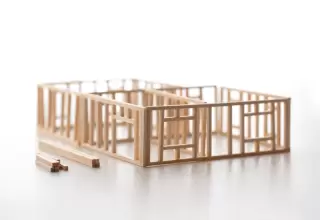
Typical Custom Home Timeline at a Glance
Most projects follow the same major construction phases, even though the exact duration varies by home size, customization level, and local requirements.
Mini Timeline Table (Phases + What You Do)
| Phase | What Happens | What You Should Do |
|---|---|---|
| Pre-Construction | Site review, planning, pricing, design | Confirm budget goals, land details, and wish list priorities |
| Permits + Prep | Plans finalized, permits, ordering lead items | Make selections on time, submit documents quickly |
| Construction | Foundation → framing → systems → finishes | Approve changes fast, attend key walkthroughs |
| Closeout + Move-In | Punch list, final inspections, orientation | Complete move-in checklist, confirm warranties + docs |
Phase 1: Land + Feasibility
What happens in this phase
- Site evaluation (access, slope, drainage, utilities)
- Budget alignment (must-haves vs. nice-to-haves)
- Early feasibility (septic vs. sewer, well vs. city water, power availability)
- Plan direction (home size, style, layout priorities)
What you should do
- Gather land info: survey (if available), flood zone info, utility locations, and any HOA/POA rules.
- Decide your non-negotiables (example: 3-car garage, outdoor living, split bedrooms, home office).
- Plan for site costs: clearing, dirt work, driveway, and drainage can be meaningful on Gulf Coast lots.
Gulf Coast note: Low-lying lots may require more planning around drainage and elevation. Requirements vary by jurisdiction.
Phase 2: Design + Selections
This is where the custom home process becomes real—because decisions made here ripple through the build schedule.
What happens in this phase
- Floor plan selection or customization
- Structural decisions (rooflines, ceiling heights, window layouts)
- Initial selections (exterior materials, cabinetry, flooring, lighting direction)
- Price confirmation and scope lock
What you should do
- Make lead-time selections early (windows, exterior doors, cabinets, specialty fixtures).
- Keep a simple decision log (what you chose + when).
- Limit late structural changes once plans are finalized—these tend to cause the biggest schedule shifts.
Helpful link: Floor Plans
Phase 3: Permitting + Pre-Construction Setup
Permitting and approvals are often the least visible part of the custom home timeline, but they matter.
What happens in this phase
- Final plans and engineering (as required)
- Permit applications and reviews (requirements vary by jurisdiction)
- Ordering long-lead materials
- Scheduling initial trades
What you should do
- Respond quickly if documents/signatures are needed.
- Confirm site access (driveway path, staging area, gate codes).
- Set expectations for changes: how change orders are approved and how they affect pricing and schedule.
Reality check: Permit review timelines can change due to local volume, staffing, or additional information requests.
Phase 4: Construction Phases (From Dirt Work to Drywall)
Site prep + foundation
- Clearing, grading, drainage prep
- Forms, rebar, pour, and cure time
- Inspections as required
You do: Confirm the home’s orientation (front door direction, driveway placement, outdoor living location).
Framing + “Dry-In”
- Framing, roof install, windows/doors
- Home becomes weather-protected (“dried in”)
You do: Attend a framing walkthrough if offered. It’s the best time to visualize space and discuss adjustments before walls close.
Rough-in systems
- Plumbing, electrical, HVAC
- Inspections (requirements vary by jurisdiction)
You do: Finalize placements (outlets, lighting, TV mounts, outdoor connections) early to avoid later changes.
Insulation + drywall
- Insulation install and inspection (where required)
- Drywall hung, taped, finished
You do: After drywall, changes become harder and more expensive—try to have decisions locked before this point.
Phase 5: Finishes + Trim-Out (When It Starts to Feel Like Home)
What happens in this phase
- Interior trim, cabinets, countertops
- Paint, flooring, tile, fixtures
- Exterior finishes, driveway, grading touch-ups (weather-dependent)
What you should do
- Review installations against your selections (finishes, models, layouts).
- Track punch items by room, with photos and short notes.
- Expect touch-ups—finish work is detailed and often requires multiple passes.
Phase 6: Final Walkthrough, Punch List, and Keys
Final Walkthrough Checklist
- Walk every room: walls, ceilings, trim, doors, windows, flooring
- Test systems: lights, outlets, HVAC zones, faucets, drains, appliances
- Confirm exterior: grading/drainage, gutters, caulk/paint touch-ups
- Review safety items: smoke/CO detectors (as required), egress windows, stairs/rails
- Collect documents: warranty info, manuals, paint colors, fixture list
- Confirm next steps: final inspection sign-offs (as required), closeout timeline
Move-In Checklist (Practical + Gulf Coast-aware)
- Transfer/activate utilities (power, water, gas, internet)
- Set homeowners insurance effective date (coordinate with lender if applicable)
- Change locks or confirm rekey details (if included)
- Ask for shutoff locations: water main, gas shutoff, electrical panel
- Save builder and warranty contacts in your phone
- Drainage habits: keep downspouts clear and confirm runoff paths after heavy rains
- “First storm” check: after a strong Gulf Coast rain, walk the exterior to confirm drainage performs as expected
Ready to wrap up? Contact Us
How to Keep Your Build Schedule on Track
- Decision speed: Delayed selections can delay ordering and installs.
- Change management: Changes are normal—keep them deliberate and documented.
- Communication: Reply quickly to questions from your builder, lender, or inspector.
- Weather realism: On the Gulf Coast, rain and storm seasons can shift exterior work and deliveries.
- Access readiness: Make sure the site stays accessible for trucks and crews.
Key Takeaways
- Your custom home timeline depends most on land readiness, permit/inspection timing (varies by jurisdiction), material lead times, and weather.
- The fastest way to protect your build schedule is to make selections early and limit late structural changes.
- Construction phases generally move from foundation → framing → rough-ins → drywall → finishes → walkthrough.
- Gulf Coast conditions (drainage, elevation, seasonal storms) can affect scheduling and should be planned for early.
- A strong move-in checklist makes handoff smoother and reduces post-move surprises.
FAQ: Custom Home Timeline and Build Process
1) How long is a typical custom home timeline?
Many custom builds take several months to over a year, depending on design complexity, site conditions, permitting/inspections, and material availability.
2) What slows down the custom home process the most?
Late selections, long-lead materials, weather, and permitting/inspection timelines (requirements vary by jurisdiction).
3) When should I make my selections (floors, cabinets, fixtures)?
As early as possible—especially for items with longer lead times. Early decisions help your builder lock a more reliable build schedule.
4) Can I change my floor plan after construction starts?
Sometimes, but changes after permits or after framing/drywall can add cost and time. Finalizing the plan early is the best way to avoid delays.
5) What are the main construction phases I should understand?
Foundation, framing/dry-in, rough-in systems (plumbing/electrical/HVAC), insulation/drywall, finishes/trim-out, final walkthrough and closeout.
6) How does Gulf Coast weather affect the build schedule?
Heavy rains and storm seasons can slow exterior work, site access, and deliveries. Builders schedule around weather, but flexibility helps.
7) What should I do before the final walkthrough?
Bring your selection notes, list questions, and plan time to test outlets, faucets, HVAC, doors/windows, and review exterior grading/drainage.
8) What documents should I expect at move-in?
Typically warranty information, manuals, care/maintenance guidance, and key contacts. Specific documents vary by builder and jurisdiction.