News
Building in Flood Zones: Smart Questions to Ask
Learn about building in a flood zone with tips on FEMA flood maps, elevation, and drainage.
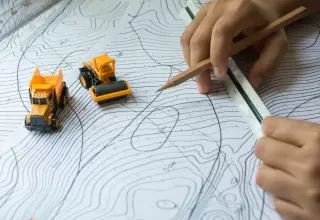
On the Gulf Coast, flood risk isn’t just a coastal issue—river systems, heavy rainfall, and low-lying areas can all influence a property’s flood exposure. The good news: smart planning can reduce risk and help you build confidently. This guide walks through the most important questions to ask when building in flood-prone areas so you can make informed decisions before plans (and budgets) are locked in.
BUILDING IN A FLOOD ZONE STARTS WITH BETTER INFORMATION
Before you talk floor plans, get clarity on what you’re dealing with. Flood risk is specific to the property—and it can vary street by street.
Start with FEMA flood maps (then confirm locally)
FEMA flood maps are a good starting point, but they’re not the only factor. Local jurisdictions may have additional requirements or interpretations, and maps can be updated over time.
Ask:
- What flood zone is the property currently in?
- Are there local floodplain rules beyond FEMA guidance?
- Are there known drainage or high-water issues in the neighborhood?
Reminder: Requirements vary by jurisdiction.
KEY QUESTIONS TO ASK BEFORE YOU BUY THE LOT
These questions help you understand cost, feasibility, and risk—before you inherit a problem.
What is the Base Flood Elevation (BFE) and required finished floor elevation?
If the property is in a mapped flood zone, there may be a required elevation target. This can affect foundation approach and site prep.
Ask:
- What is the BFE (if applicable)?
- What finished floor elevation is required by the local jurisdiction?
- Will additional freeboard (building above minimum) be recommended or required?
Note: Elevation requirements vary by jurisdiction.
How will the site handle drainage during heavy rain?
On the Gulf Coast, rainfall events can be intense and fast-moving. A lot can “look dry” and still have major drainage problems during storm conditions.
Ask:
- Where does stormwater leave the property?
- Are there ditches, swales, culverts, or retention features nearby?
- Who maintains the drainage system (parish/county, HOA, private)?
Has the property flooded in the past?
Maps don’t always tell the full story. Local knowledge matters.
Ask:
- Has water ever reached the homesite area?
- Are there high-water marks or storm history records known by neighbors?
- Are there recurring street flooding issues that affect access?
What restrictions apply to the build (setbacks, fill, utilities)?
Flood-prone areas can come with stricter rules.
Ask:
- Are there restrictions on adding fill or grading?
- Are there special permitting steps or inspections?
- Are utilities positioned to support elevated construction?
Reminder: Requirements vary by jurisdiction.
What will flood insurance look like for this home?
Flood insurance can vary based on zone, elevation, lender requirements, and policy type.
Ask:
- Will flood insurance be required by a lender?
- Can we get a preliminary insurance estimate with a proposed elevation approach?
- Are there ways design decisions can reduce premiums?
Important: Insurance rules and pricing vary by provider and location.
MINI TABLE: QUESTIONS THAT DRIVE DESIGN + BUDGET
| Question | Why It Matters | What It Can Affect |
|---|---|---|
| Flood zone + BFE | Determines compliance targets | Foundation type, elevation cost |
| Finished floor elevation | Sets the home’s build height | Steps/entries, sitework, aesthetics |
| Drainage path | Prevents ponding and runoff issues | Grading, swales, culverts |
| Insurance estimate | Helps avoid budget surprises | Monthly cost, lender requirements |
SMART RISK-REDUCTION STEPS FOR FLOOD-PRONE LOTS
You can’t control the weather, but you can make smart choices that reduce risk.
Elevation strategy (build above minimum when possible)
In many cases, building above minimum requirements can improve resilience and may positively impact insurance costs. Requirements vary by jurisdiction.
Drainage planning is non-negotiable
A good drainage plan can include:
- Proper grading away from the home
- Swales or berms to direct water
- Culverts at driveway crossings
- Clear discharge points (where water goes)
Choose materials and details that handle moisture
In flood-prone regions, details matter—especially for lower levels, exterior finishes, and ventilation strategies.
Think about access during storms
Even if the house is elevated, consider:
- Will the driveway flood?
- Can emergency vehicles access the property?
- Where will water collect on the path to the home?
CHECKLIST: FLOOD ZONE LOT EVALUATION (BRING THIS TO A SITE VISIT)
Use this checklist to keep the conversation practical and productive.
Flood + Documentation
- Confirm flood zone using FEMA flood maps
- Ask for BFE and required finished floor elevation (if applicable)
- Verify local rules and any additional requirements (varies by jurisdiction)
Water Movement + Drainage
- Walk the lot after rain if possible
- Identify low spots, ditches, and discharge routes
- Ask who maintains drainage features and culverts
Design + Budget Impacts
- Discuss elevation strategy and foundation approach
- Confirm restrictions on fill, grading, and driveway work
- Request an early flood insurance estimate
HOW CRETIN TOWNSEND HOMES HELPS YOU BUILD CONFIDENTLY
At Cretin Townsend Homes, we build custom homes on your land across Louisiana, Mississippi, Florida, and Alabama. If you’re considering building in a flood zone, we help you evaluate the lot, clarify elevation requirements, and plan drainage and design details early—so your home fits your land and your risk tolerance.
KEY TAKEAWAYS
- Building in a flood zone starts with confirming flood classification and local requirements—requirements vary by jurisdiction.
- Use FEMA flood maps as a starting point, then validate details with local floodplain guidance.
- Elevation and drainage decisions drive both resilience and budget.
- Get an early insurance estimate so you understand ongoing costs before you finalize plans.
- A builder-led lot review before purchase helps identify red flags early.
FAQ: BUILDING IN A FLOOD ZONE (GULF COAST)
Can you build a home in a flood zone?
Often, yes—but it depends on the property and local rules. Requirements vary by jurisdiction, and elevation/drainage planning is critical.
Are FEMA flood maps always accurate?
They’re a strong starting point, but maps can be updated and may not capture every real-world drainage issue. Confirm details with local sources.
What is BFE?
BFE stands for Base Flood Elevation. It’s a reference elevation used in mapped areas to help determine building requirements. Rules vary by jurisdiction.
Will I be required to carry flood insurance?
It depends on your lender, location, and policy rules. Flood insurance requirements and pricing vary by provider and jurisdiction.
Does building higher reduce flood insurance?
It can, depending on the policy and elevation documentation. It’s smart to request an estimate early based on the proposed design.
What should I look for on the lot itself?
Low spots, standing water after rain, unclear runoff paths, and neighborhood drainage issues are common red flags on the Gulf Coast.
Can drainage improvements reduce flood risk?
Good drainage planning can help manage rainfall and surface water, but it may not change mapped flood zone status. Requirements vary by jurisdiction.
Should I talk to a builder before buying a flood-zone lot?
Yes. A builder can help you understand elevation targets, drainage planning, and practical sitework impacts before you commit.