News
How to Plan for Utilities When Building on Rural Land
Learn about utilities for rural land with tips on well and septic, power hookup, and internet options.
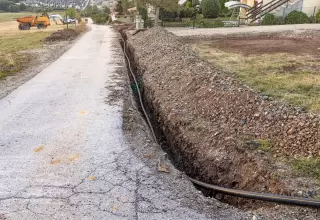
Building on rural land is exciting—more space, more privacy, and often more freedom. But it also means you’re responsible for planning the essentials that a city lot typically “comes with,” like water, wastewater, power, and internet. In Louisiana and Mississippi—where soil, drainage, and weather can vary drastically from one property to the next—utility planning upfront can prevent delays and surprise costs later.
UTILITIES PLANNING 101: START WITH A “WHOLE-SITE” MINDSET
Utilities aren’t separate decisions. Your home placement, driveway, drainage plan, and even porch orientation can influence where utilities run and how much they cost.
The most important first step
Before design is finalized, confirm:
- Where power is coming from and how far it must run
- Whether water is public or a well is needed
- Whether sewer is available or septic is required
- What internet providers actually serve the address (not just the ZIP code)
- Where the driveway will go and how construction crews will access the build
UTILITIES FOR RURAL LAND: WHAT YOU NEED TO CONFIRM EARLY
This is the high-impact checklist for utilities for rural land—the items that most often affect budget and timeline.
Water: Public Water vs. Well
If public water is available, you’ll need to understand:
- Connection fees and tap requirements
- Meter location
- Distance from main line to the house site
If public water is not available, a well may be the solution:
- A well contractor can advise on typical depth and cost in your area
- Water quality testing is a smart early step
- Plan space for equipment like a pressure tank, filtration, or softener if needed
Note: Setback and permitting requirements vary by jurisdiction.
Wastewater: Sewer vs. Well and Septic
Most rural properties will use well and septic (or at least septic).
Key considerations:
- Soil conditions and percolation needs (often called a perc test)
- System type (conventional vs. alternative systems if soil/drainage is challenging)
- Setbacks from wells, structures, and property lines
- The best location for a drain field (you don’t want it where you’ll later add a pool or shop)
Note: Health department rules and system approvals vary by jurisdiction.
Power Hookup: Distance Matters
Power is one of the most commonly underestimated rural costs.
Ask your utility provider:
- Where the nearest transformer/pole is
- Whether the run will be overhead or underground
- What upgrades might be needed (service size, transformer capacity)
- Estimated timeline (some areas require scheduling weeks in advance)
Tip: The farther the run, the higher the cost—especially for underground service.
Internet Options: Verify Before You Commit
Rural internet availability can be very different from what online maps suggest. Verify by giving providers the exact address (or GPS coordinates if there’s no address yet).
Common internet options include:
- Fiber (best when available, but limited in rural areas)
- Cable (availability varies)
- DSL (may be slower depending on distance)
- Fixed wireless (can be strong with line-of-sight)
- Satellite (available broadly; performance varies by provider and weather)
Driveway: It’s More Than Just Access
Your driveway affects:
- Where utilities can trench and tie in
- Culvert placement and drainage (especially important in LA/MS)
- Permitting or parish/county requirements (varies by jurisdiction)
- Construction access for concrete trucks, deliveries, and equipment
A well-planned driveway can reduce sitework headaches and help keep the build moving.
UTILITY DECISIONS THAT INFLUENCE COST AND TIMELINE
| Customization | What Impacts Cost Most | What Impacts Timeline Most |
|---|---|---|
| Power hookup | Distance to transformer + overhead vs underground | Utility scheduling + required upgrades |
| Well and septic | Soil conditions + system type | Testing/approvals (varies by jurisdiction) |
| Internet options | Provider availability + installation needs | Provider lead times + equipment setup |
A PRACTICAL ORDER OF OPERATIONS (SO YOU DON’T BACKTRACK)
Here’s a smart sequence for rural utility planning:
- Site visit + rough home placement (based on topography, drainage, and access)
- Confirm power availability and get a rough estimate for connection
- Verify water/wastewater plan (public water vs well; sewer vs septic)
- Check internet options using the actual address/GPS
- Finalize driveway plan for access, culverts, and routing
- Lock utility routing before final plan set and construction schedule
CHECKLIST: RURAL UTILITIES PLANNING BEFORE YOU BREAK GROUND
Use this checklist to stay ahead of delays.
Site & Access
- Choose a preliminary home site based on drainage and elevation
- Confirm driveway entry location and turning radius for deliveries
- Identify areas to avoid (wet spots, low areas, easements)
Water & Wastewater
- Confirm whether public water is available (and where the main line is)
- If needed, contact a well contractor about depth, cost, and testing
- Confirm septic requirements and whether soil testing is needed (varies by jurisdiction)
- Reserve space for drain field and future expansions (shop/pool)
Power & Communications
- Call the power company for distance-to-service and cost guidance
- Decide overhead vs underground power hookup
- Check internet options at the address (fiber/cable/wireless/satellite)
- Plan conduit paths if you want future upgrades
COMMON RURAL UTILITY “SURPRISES” (AND HOW TO AVOID THEM)
Surprise: “The power line is farther than we thought.”
Avoid it by: asking for the transformer/pole location early and getting a written estimate when possible.
Surprise: “Septic needs an alternative system.”
Avoid it by: doing soil evaluation early and leaving flexibility in site layout.
Surprise: “Internet isn’t actually available at the address.”
Avoid it by: verifying service by address/GPS before you finalize the build site.
Surprise: “Driveway drainage becomes a project.”
Avoid it by: planning culverts and grading upfront—especially in rain-heavy Gulf Coast areas.
HOW CRETIN TOWNSEND HOMES HELPS WITH RURAL BUILDS
Cretin Townsend Homes builds custom homes on your land across Louisiana, Mississippi, Florida, and Alabama. If you’re building on acreage or a rural lot, we help you think through the whole property—home placement, access, utilities, and realistic timelines—so you’re not making expensive changes later.
KEY TAKEAWAYS
- Planning utilities for rural land early reduces cost surprises and keeps your build timeline on track.
- Well and septic decisions depend heavily on soil conditions and local approvals—requirements vary by jurisdiction.
- Power hookup cost is often driven by distance and whether you choose overhead or underground service.
- Confirm internet options by address/GPS early—coverage maps can be misleading in rural areas.
- A well-planned driveway supports drainage, utility routing, and construction access from day one.
FAQ: UTILITIES FOR RURAL LAND (LOUISIANA & MISSISSIPPI)
Do I need well and septic on rural land?
Often, yes—especially if public water and sewer aren’t available. Availability varies by property and location.
What is a perc test and do I always need one?
A perc (percolation) test evaluates soil drainage for septic planning. Whether it’s required depends on local rules and system type—requirements vary by jurisdiction.
How much does a power hookup cost on rural property?
It depends on distance to the nearest service point, overhead vs underground, and whether upgrades are needed. The power company can provide estimates after reviewing the site.
What internet options are most common in rural areas?
Fixed wireless and satellite are common; fiber or cable may be available in some areas. Always verify service using the exact address or GPS coordinates.
Should I plan the driveway before utilities?
Yes. Driveway location affects trenching routes, culverts, drainage, and construction access—so it’s smart to plan driveway and utilities together.
Can I place the house anywhere on the land?
Not always. Setbacks, easements, flood zones, soil conditions, and utility access can limit placement. Requirements vary by jurisdiction.
What should I budget for rural utilities?
Budgets vary widely. The best approach is to gather early site-specific quotes for power, well and septic, driveway work, and internet installation.
When should I start utility planning?
As early as possible—ideally before finalizing the home plan and site placement. Early planning reduces redesigns and schedule delays.