News
Stick-Built Vs. Modular Guide: What's Best For Your Property?
Learn about stick-built home with tips on modular home, build quality, and timeline.
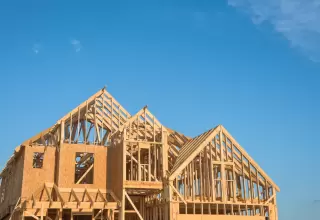
Choosing between stick-built and modular isn’t just about price or speed—it’s about what fits your property and how you want to live in the home. On the Gulf Coast, build decisions also have to account for moisture, storms, site access, and local building requirements. Below is a practical comparison so you can decide what makes the most sense for your land, your design goals, and your expectations.
Stick-Built Home vs. Modular Home: What’s the Real Difference?
A stick-built home is constructed on your site, piece by piece, by a building team using lumber and traditional construction methods. A modular home is built off-site in a controlled factory environment, then delivered in sections and set on your foundation.
What they have in common Both must meet building codes that apply where the home is placed—requirements vary by jurisdiction.
Both can be built on permanent foundations, and both can be designed to be beautiful and comfortable.
The big difference
The biggest difference is where most of the building happens—and how that affects customization, site flexibility, and the overall building process.
Why a Stick-Built Home Often Fits Custom Builds on Your Land (Gulf Coast Included)
If you’re building on your own property, a stick-built home typically offers the most flexibility to match the home to the land.
Better fit for “build on your lot” realities
Many Gulf Coast properties have unique needs—drainage planning, elevation considerations, tree preservation, narrow access roads, or coastal wind exposure. Building on-site can make it easier to adapt the structure and plan as the lot dictates.
Easier to customize layout and details
Stick-built construction typically allows more freedom to:
- Adjust room sizes and ceiling heights
- Rework the plan around views, porches, and outdoor living
- Add custom features (built-ins, larger openings, specialty finishes)
- Tweak the design during pre-construction planning to better match your lifestyle
Tip: If “make it feel like our home” is the goal, stick-built usually gives you the widest runway for personalization.
Build Quality: What to Expect from Each Option
Build quality can be excellent in both stick-built and modular construction—when the builder and materials are solid.
Stick-built home build quality
- Quality depends heavily on:
- The builder’s standards and supervision
- Material selections
- Trade skill and coordination
- Jobsite protection from weather during construction
Modular home build quality
Factory construction can reduce weather exposure during the build process, and repeatable processes can improve consistency. That said, final quality still depends on:
- Manufacturer standards
- Transport and set accuracy
- On-site finishing and connections (roof tie-ins, exterior finishes, interior seams)
- Local crews completing the final work
Bottom line: Quality is less about the category and more about the people, materials, and inspections behind it.
Timeline: Speed vs. Sequence
Timeline is one of the most common reasons buyers consider a modular home—but it helps to understand the full sequence.
Typical timeline strengths
- Modular home: Factory build and site prep can happen at the same time, which may shorten the overall schedule.
- Stick-built home: Often takes longer because everything is built in sequence on-site, and weather/trade schedules can affect pacing.
Timeline realities on the Gulf Coast
Even if the home arrives quickly, site-related items can still drive your timeline:
- Permitting and plan review (varies by jurisdiction)
- Site prep, utilities, and foundation work
- Inspections and approvals
- Weather delays (heavy rain seasons, storms)
A faster “house build” doesn’t always mean a faster “move-in date.”
Customization: Where the Difference Shows Up Most
If customization is your priority, this section matters.
Stick-built customization (typically strongest)
More flexibility in structure, rooflines, and ceiling details
Easier plan edits to accommodate your exact lot
Wider range of finish options depending on builder program
Modular customization (can vary widely)
Some modular providers offer many choices, but customization can be limited by:
- Module dimensions and transport constraints
- Manufacturer-specific plan libraries
- Structural limitations in factory-built sections
If you want a one-of-one home designed around your land and lifestyle, stick-built is usually the easier path.
Quick Comparison Table
| Factor | Stick-Built Home | Modular Home |
|---|---|---|
| Customization | High flexibility for layout + details | Varies by manufacturer; can be more limited |
| Timeline | Often longer; more weather/trade dependent | Factory build may shorten schedule, but site work still applies |
| Site Flexibility | Strong fit for unique lots and changes | Must work within module delivery/set constraints |
| Build Quality | Excellent with strong standards + supervision | Can be consistent; final quality still depends on set + finish work |
Checklist: Which Option Fits Your Property Best?
Use this quick checklist to narrow your choice.
A stick-built home may be best if you:
- Want maximum customization (layout, rooflines, ceiling heights, details)
- Have a unique or challenging lot (drainage, elevation, access constraints)
- Want flexibility to refine the plan during the design/prep phase
- Care about tailoring outdoor living spaces (porches, patios, views)
A modular home may be best if you:
Prefer a more standardized plan with defined options
Want a potentially shorter build timeline (depending on site and permitting)
Have clear site access for delivery and crane/set operations
Are comfortable choosing from manufacturer-driven design constraints
How Cretin Townsend Homes Helps You Decide (Without the Guesswork)
At Cretin Townsend Homes, we build custom homes on your property across Louisiana, Mississippi, Florida, and Alabama. When you’re weighing options, we focus on what matters most:
- Your land (access, elevation, drainage, orientation)
- Your priorities (customization, timeline, budget expectations)
- A clear plan for decisions so surprises are minimized
Key Takeaways
- A stick-built home is typically the best choice when you want maximum customization for your land and lifestyle.
- A modular home may offer a more predictable production schedule, but site work and approvals still affect move-in timing.
- Build quality depends more on standards, materials, and oversight than on the category alone.
- Gulf Coast realities—weather, soil, elevation, and wind considerations—can influence both options; requirements vary by jurisdiction.
- If your property is unique or your design goals are specific, stick-built construction usually provides more flexibility.
FAQ: Stick-Built vs. Modular on the Gulf Coast
Is a modular home the same as a manufactured home?
No. Modular homes are typically built to the building codes used for site-built homes where they’re installed. Manufactured homes follow a separate federal standard. Definitions and requirements can vary by jurisdiction.
Is a stick-built home always higher quality?
Not automatically. Both can be high quality. The biggest difference is the builder/manufacturer standards, materials, and how well the work is inspected and managed.
Which option is faster: stick-built or modular?
Modular can be faster because factory build and site work may happen simultaneously, but permitting, foundations, utilities, inspections, and weather still affect the full timeline.
Which is better for customization?
A stick-built home usually offers the most flexibility—especially if you’re tailoring the home to a unique lot, specific room sizes, ceiling details, or outdoor living goals.
Do modular homes work on rural properties?
They can, but site access is critical. Delivery routes, turn radius, and crane/set logistics matter. A site evaluation helps determine feasibility.
How do storms and wind requirements affect the decision?
Both types must meet local requirements that apply to the build location. On the Gulf Coast, wind-rated and structural considerations may be important—requirements vary by jurisdiction.
Can I finance a modular home the same way as a stick-built home?
Financing options vary by lender and project details (land, foundation type, build contract structure). It’s best to discuss early with your lender so there are no surprises.
What’s the best way to decide for my property?
Start with your priorities (customization vs. standardized options, timeline expectations), then evaluate your land (access, elevation, utilities, permitting path). A builder consult makes the decision much clearer.