News
Corner Lots: Pros, Cons, and Design Tips
Learn about corner lot house plans with tips on side-entry garage, privacy, and curb appeal.
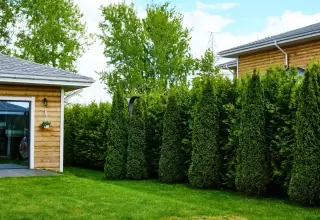
Corner lots look great on paper—more frontage, more light, and the chance to build a home that feels “featured,” not tucked away. But corner lots also change the rules of design: you have more sides visible from the street, and your outdoor spaces may need extra privacy planning. This guide breaks down what makes corner lots different and how to choose (or modify) corner lot house plans that fit Gulf Coast living.
Why corner lots feel different (and why it matters)
A corner lot usually has:
- Two street-facing sides (more visibility)
- More frontage to design for
- A different “front” than a typical interior lot
- More constraints around fences, garages, and outdoor living placement
That can be a win—if the plan is designed with corner conditions in mind.
Pros of corner lots
1) Strong curb appeal from two angles
Corner homes often look more high-end because they’re seen from multiple approaches. With the right exterior design, you get a “showcase” effect.
2) More light and fewer immediate neighbors
With one side open to a street, many corner lots feel brighter and less boxed in.
3) Flexible driveway and garage options
Corner layouts can allow:
- A cleaner driveway approach
- A side-entry garage option
- Better traffic flow for parking and deliveries
4) More landscaping and design opportunity
You can create layered landscaping, fencing, and outdoor spaces that look intentional from both streets.
Cons of corner lots (and how to plan for them)
1) Less privacy
Two street-facing sides mean more eyes on your home and yard. The fix is intentional design: window placement, landscaping, and fencing that respects local rules.
2) More exterior exposure = more maintenance
More visible walls and corners can mean:
- More landscaping edges to maintain
- More fence line (potentially)
- More attention needed for storm-proofing details (Gulf Coast reality)
3) Setbacks can feel tighter than expected
Many jurisdictions treat both street sides as “front-facing,” which can increase required setbacks and reduce buildable area. Requirements vary by jurisdiction, so confirm early before you commit to a plan.
4) Fencing rules can be trickier
Corner lots often have restrictions on:
- Fence height on street sides
- Placement near sidewalks
- Visibility triangles at intersections
Again, requirements vary by jurisdiction and may also depend on your HOA/subdivision rules.
Corner lot house plans: design tips that actually work
Corner lots reward plans that look good from two sides—not just the front.
Prioritize a side-entry garage (when the lot allows it)
A side-entry garage helps because it:
- Reduces “garage-forward” curb appeal
- Creates a cleaner front elevation
- Often makes the home look more custom from the street
If a full side-entry garage doesn’t work, consider an angled garage or a garage set back with stronger front porch features.
Treat the “second street side” like a real front
This is where many homes miss. That side should include:
- Better window spacing (not random or sparse)
- Architectural details (trim, shutters, material changes)
- Landscaping layers (trees + shrubs + edging)
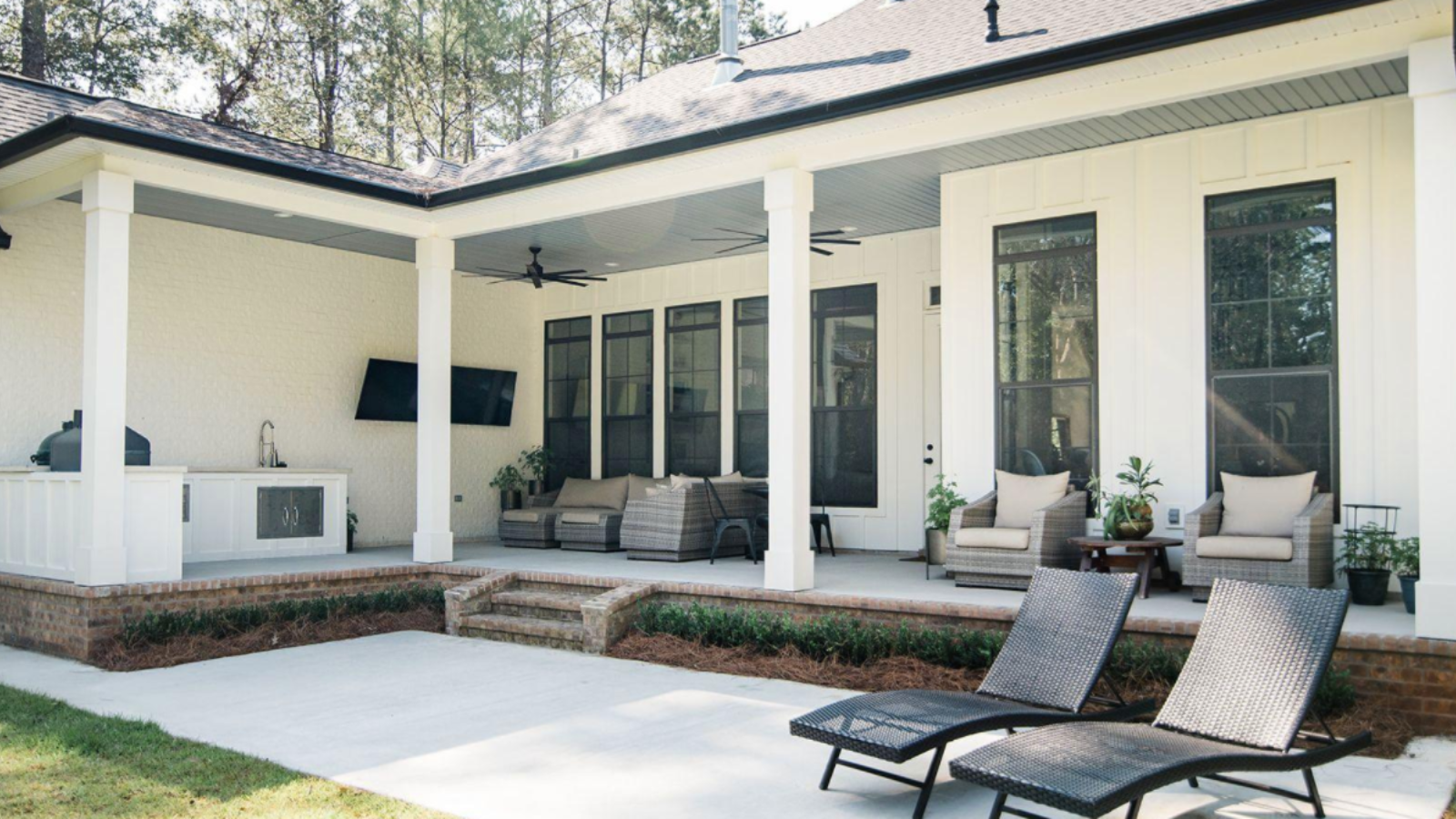
Place outdoor living where it’s protected
For privacy, avoid putting the main patio directly on the most exposed street-facing side. Instead:
- Use the back yard, or
- Create a screened courtyard feel with fencing + landscape buffering (as allowed)
Use window placement strategically
Privacy doesn’t require a fortress. Often it’s as simple as:
- Higher or smaller windows on exposed sides
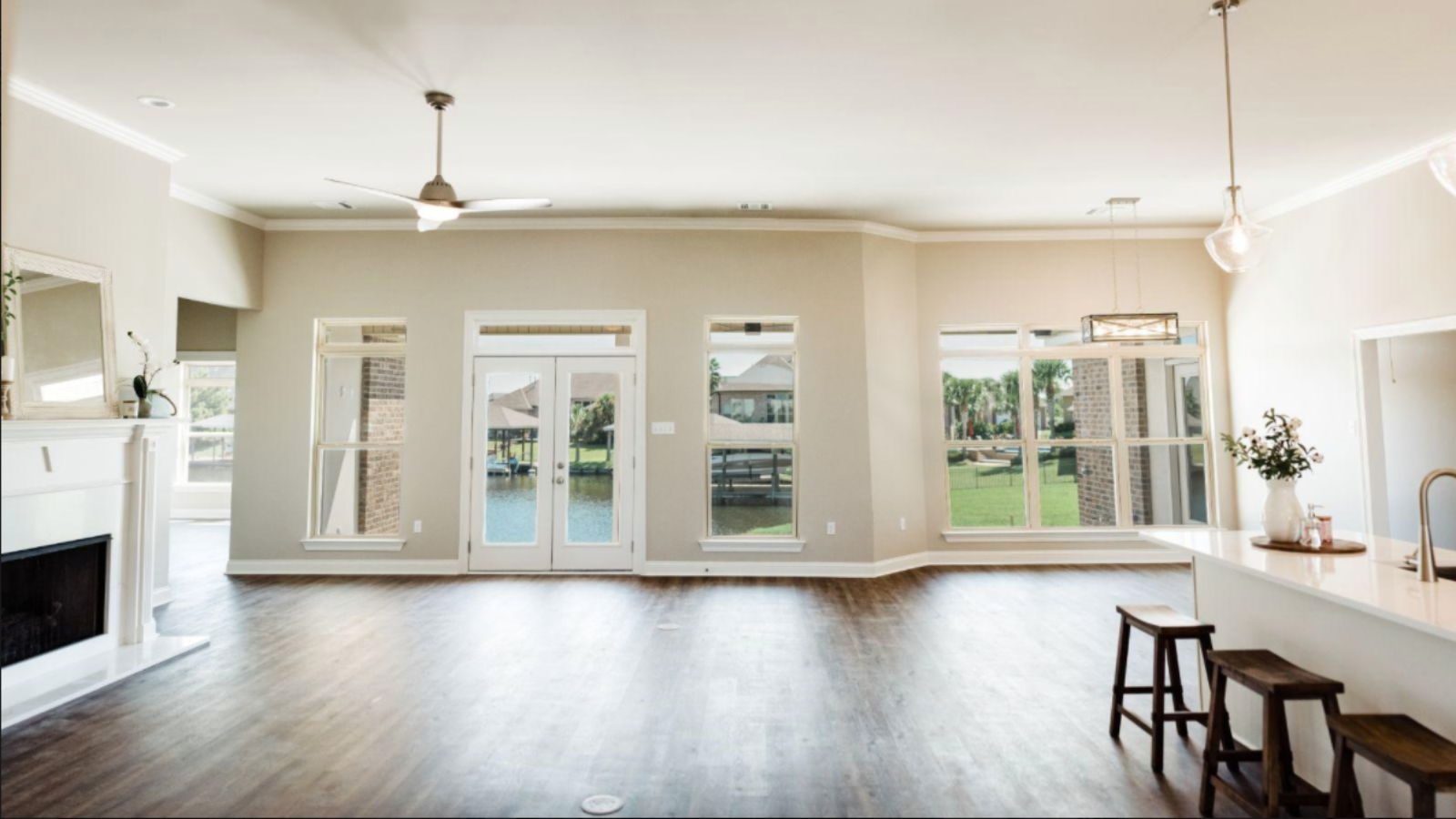
- Grouped windows facing the backyard
- Thoughtful room layout (placing closets/laundry on the street-exposed side)
Make fencing part of the design (not an afterthought)
On a corner lot, fencing impacts curb appeal more than usual. Aim for:
- Attractive materials and clean lines
- Thoughtful transitions (shorter sections near street corners if required)
- Landscaping to soften the fence line
Mini table: Corner lot choices and the trade-offs
| Design Choice | Benefit | Watch-Out |
|---|---|---|
| Side-entry garage | Cleaner curb appeal, better facade | Needs enough width and proper driveway approach |
| Street-side landscaping buffer | Privacy + visual appeal | Needs maintenance and irrigation planning |
| Courtyard-style outdoor space | Protected hangout area | Fence/setback rules may apply (varies by jurisdiction) |
Checklist: What to confirm before choosing a corner lot plan
Use this before you finalize your plan or buy the lot.
- Confirm setbacks on both street sides (requirements vary by jurisdiction)
- Identify the best “front” orientation for entry and curb appeal
- Decide if a side-entry garage is possible based on lot width and driveway approach
- Map driveway location to avoid awkward parking or tight turns
- Plan privacy: street-facing window placement + landscaping buffer
- Review fencing rules (height, setbacks, corner visibility)
- Plan drainage around two street edges (ditches, curbs, swales, runoff paths)
- Consider storm exposure: wind direction, debris risk, and roofline simplicity
- Design the “second street side” elevation like a true facade
- Verify any HOA/subdivision corner-lot guidelines (if applicable)
Gulf Coast-specific corner lot considerations
Corner lots can be more exposed during storms because wind can hit more sides of the home. Practical Gulf Coast moves include:
- Durable exterior materials and proper flashing details
- Smart gutter/downspout placement (two-street runoff needs a plan)
- Wind-rated doors/windows where required
- Thoughtful tree placement so large limbs aren’t over key roof sections
Nothing here is meant as legal or code advice—requirements vary by jurisdiction—but designing with storm reality in mind pays off.
Key Takeaways
- Corner lot house plans can offer premium curb appeal, more light, and a more open feel.
- The biggest challenges are privacy, fencing rules, and street-side setbacks—requirements vary by jurisdiction.
- A side-entry garage often delivers the best corner-lot curb appeal when the lot layout allows it.
- Treat the second street-facing side like a true facade with windows, materials, and landscaping.
- Plan outdoor living and privacy early so your yard feels comfortable—not exposed.
FAQ: Corner lots and corner lot house plans
1) Are corner lots better than interior lots?
They can be—especially for curb appeal and openness. But they often require more privacy planning and may have stricter setbacks on street sides.
2) Do corner lots have two “front yards”?
Sometimes, yes. Many areas treat both street-facing sides as front-facing for setbacks and fencing rules. Requirements vary by jurisdiction.
3) Is a side-entry garage always required on a corner lot?
No, but it’s often the cleanest curb appeal option. If it doesn’t fit, an angled or setback garage can still look great.
4) How do I add privacy on a corner lot?
Use a combination of smart window placement, landscaping buffers, and fencing where allowed. Courtyard layouts and screened outdoor spaces also help.
5) Can I put a tall privacy fence on the street side?
Maybe, but not always. Fence heights and placements near streets and intersections can be restricted—requirements vary by jurisdiction and HOA rules.
6) Does a corner lot cost more to landscape?
It can. More visible frontage often means more landscaping and edging if you want it to look polished from both streets.
7) What rooms should face the street on a corner lot?
Commonly: flex rooms, dining, or spaces that benefit from natural light—while keeping bedrooms and main outdoor living more protected, depending on privacy needs.
8) Will my driveway be harder on a corner lot?
Not necessarily. Some corner lots make driveway access easier—just plan turning radius and parking so it feels natural and safe.