News
Driveways, Culverts, and Access: Overlooked Lot Details
Learn about driveway access for new construction with tips on culvert planning, ditch lines, and turnaround space.
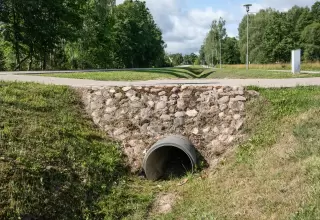
Driveway and access planning is one of the most overlooked parts of building on your land—and on the Gulf Coast, it can be a budget and schedule “gotcha.” From roadside ditches and culverts to permit timing and heavy-equipment access, small details can affect everything from site prep to final inspections. Here’s a practical, high-level guide to help you plan access the right way before construction starts.
Why driveway access affects budget and permits
Driveway access isn’t just where your car turns in. It’s the route for concrete trucks, lumber deliveries, septic installers, inspections, and sometimes emergency services. A “simple” entrance can become complex when you factor in:
- Roadside ditches and drainage flow
- Existing right-of-way and shoulder conditions
- Road classification (state highway vs. parish/county road vs. private road)
- Visibility and safety (sight distance, curve/hill location)
- Soil stability and Gulf Coast rain events
If access work is underestimated, it can lead to additional excavation, rock, erosion control, or rework—especially after heavy rains.
Driveway access for new construction: what to evaluate first
1) Road type and who controls the permit
Start by identifying whether your frontage is on:
- A state highway (often DOT-managed)
- A parish/county/city road (local public works)
- A private road (HOA or private maintenance agreement)
DOT permits are common for state routes, but local permitting may apply elsewhere. Requirements vary by jurisdiction, so the key is to confirm early—before you finalize site plans and budgets.
2) Ditch lines, drainage direction, and culvert need
If your lot has an open roadside ditch, you’ll typically need a culvert under the driveway so water can pass through. Poor culvert planning can cause:
- Flooded yard edges and standing water
- Erosion at the driveway edges
- Washouts during heavy storms
- Neighboring drainage issues
3) Entrance location and sight distance
An entrance that’s too close to a curve, hill, or intersection can trigger extra requirements—or be denied. Even when it’s allowed, you want safe visibility for daily driving and construction traffic.
Culverts 101: what they do and what can go wrong
A culvert is the pipe (or box structure) that carries water beneath your driveway approach. A properly planned culvert helps maintain drainage flow and protects the road shoulder.
Common culvert pitfalls
- Undersized pipe: can back up water during Gulf Coast downpours
- Incorrect elevation/slope: can trap sediment and reduce flow
- Poor end treatment: can erode soil at the inlet/outlet
- Improper driveway “crown” or edge support: can crack or rut over time
Because culvert sizing and placement can depend on local drainage standards and road authority rules, treat this as a coordination item, not a DIY guess.
Turnaround space: don’t assume the street will handle it
A turnaround isn’t just a convenience—during construction it can prevent delays and property damage. Consider turnaround needs for:
- Concrete trucks and pump trucks
- Framing/lumber deliveries
- Septic installers and excavators
- Inspectors and emergency vehicles
- Moving trucks after you move in
Where turnarounds usually matter most
- Long, narrow rural lots
- Lots on dead-end roads
- Properties with gates, fences, or tight tree lines
- Driveways with steep grades or limited width
Mini table: Access features and why they matter
| Access Detail | Why It Matters | What It Can Affect |
|---|---|---|
| Culvert over ditch | Maintains drainage under driveway | Permits, erosion, driveway longevity |
| Driveway width & base | Supports heavy construction loads | Delivery access, ruts, schedule delays |
| Turnaround area | Prevents trucks backing long distances | Safety, neighbor relations, site damage |
Checklist: Driveway & access planning before you break ground
Use this list early—ideally before you finalize your site plan and budget.
- Identify road owner (state DOT vs. parish/county/city vs. private)
- Confirm whether DOT permits or local permits are required (varies by jurisdiction)
- Walk the frontage after rain to understand ditch flow and low spots
- Determine if a culvert is needed and note ditch depth/width
- Choose an entrance location with good sight distance
- Plan driveway base for heavy trucks (rock depth and stabilization as needed)
- Confirm construction access route (gate width, overhead clearance, soft spots)
- Reserve space for a turnaround (temporary or permanent)
- Plan erosion control (silt fence, stabilized entrance, drainage protection)
- Document everything with photos before work begins
Practical Gulf Coast notes: rain, soil, and erosion
On the Gulf Coast, access work has to stand up to:
- Frequent heavy rain events
- Soft or saturated soils in low-lying areas
- Ditches that carry significant runoff during storms
That’s why driveway approaches often need more than “a little gravel.” Stabilized entrances and properly planned drainage can prevent rework and keep your build moving.
Key Takeaways
- Driveway and access planning can affect cost, permits, and timeline as much as utilities or clearing.
- A roadside ditch usually means a culvert—and sizing/placement should align with local requirements.
- DOT permits may apply depending on road type; requirements vary by jurisdiction.
- Plan for construction traffic: base prep, width, and soft-soil stabilization matter.
- A turnaround can prevent delays, damage, and safety issues during the build.
FAQ: Driveways, culverts, and access for building on your land
1) Do I always need a culvert for my driveway?
Not always—but if there’s a roadside ditch or drainage channel you’re crossing, a culvert is commonly required to maintain water flow. Requirements vary by jurisdiction.
2) Who issues driveway permits?
It depends on the road: state routes often involve DOT permits, while local roads may be handled by parish/county/city public works. Private roads may require HOA or owner approval.
3) How early should I start the permit process?
As early as possible—ideally during site evaluation or early design—because permits and approvals can influence driveway location, culvert specs, and site prep scope.
4) How wide should a driveway be for construction?
Enough for heavy trucks to safely enter and exit without dropping wheels into soft shoulders or ditches. The “right” width varies by equipment and site constraints, so plan it around your build needs.
5) What is a stabilized construction entrance?
A reinforced driveway entrance (often with specific rock/base prep) designed to support heavy traffic and reduce rutting and mud tracking. It’s especially helpful in rainy Gulf Coast conditions.
6) Do I need a turnaround?
Often, yes—especially on long driveways, dead-end roads, or gated properties. A turnaround reduces backing distance and improves safety for deliveries and emergency access.
7) Can I place the driveway anywhere along my frontage?
Not always. Sight distance, intersection spacing, drainage, and right-of-way constraints can limit placement. Some locations may require additional approvals or be denied.
8) What if my driveway crosses a ditch and keeps washing out?
That’s commonly caused by culvert sizing, slope, poor end protection, or inadequate edge support. A site-specific fix is usually needed—start by evaluating drainage flow and the driveway approach shape.