News
Land Clearing and Site Prep: What It Really Includes (Land Clearing for a House)
Land clearing for a house is one of those steps that sounds simple—until you see what it actually includes. “Site prep” can mean everything from tree removal to shaping the lot for drainage and creating a stable building pad. On the Gulf Coast, where heavy rain and soft soils can be common, doing this step right can save time, protect your investment, and prevent headaches later.
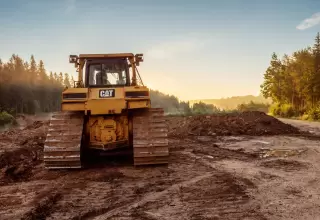
What “Land Clearing” vs. “Site Prep” Usually Means
Land clearing is about removing what’s in the way. Site prep is about shaping and stabilizing the land so a home can be built correctly.
Most projects include both—and the line between them can overlap depending on the lot.
Land clearing often includes
- Tree and brush removal (selective clearing or full clearing)
- Stump removal or grinding (depending on plan + future grading)
- Removing roots, undergrowth, and invasive vegetation
- Hauling off debris or creating approved burn piles (where allowed)
- Basic access for equipment
Site prep often includes
- Grading (shaping the land for drainage and the home pad)
- Building pad preparation (cut/fill, compaction, base material)
- Driveway planning and installation (temporary or permanent)
- Erosion control measures (especially before/after rain)
- Layout coordination for utilities and septic/well (if applicable)
The Typical Steps in Land Clearing and Site Prep (Start to Finish)
Every property is different, but most Gulf Coast builds follow a similar sequence.
1) Site walk + lot evaluation
Before equipment shows up, the team evaluates:
- High/low spots and how water currently moves
- Tree lines, easements, and setback considerations
- Access points for trucks and machinery
- Soil conditions and likely needs for compaction/fill
Note: requirements vary by jurisdiction, and some properties need additional approvals before clearing.
2) Marking boundaries, protected areas, and “keep” trees
If you want privacy trees or a natural buffer, identify them early. It’s much easier (and cheaper) to protect trees before clearing begins than to “undo” a clear later.
3) Tree removal and vegetation clearing
This is the visible part most people think of first:
- Removing trees, brush, and thick ground cover
- Cutting and staging logs (if kept) or hauling away
- Managing stumps/roots based on grading plan
4) Rough grading and drainage shaping
Rough grading establishes the general shape of the site:
- Raising/leveling the future home area
- Shaping swales or slopes so water drains away
- Preventing “low bowls” where water can pond
On the Gulf Coast, this step matters because big rain events can expose drainage issues fast.
5) Building pad prep and compaction
Your home needs a stable base. Pad prep often includes:
- Importing fill or redistributing on-site soil
- Compacting in lifts (layer by layer)
- Setting base elevations per the plan and local requirements (which vary)
6) Driveway and construction access
Even if the final driveway comes later, most builds need access early:
- Temporary drive for construction traffic
- Culvert placement if there’s a ditch (common in many areas)
- Layout that works with the garage orientation and turning radius
7) Final grading + erosion control
Once major work is done, crews refine slopes and implement controls like:
- Silt fence or other sediment barriers where needed
- Seeding/straw in disturbed areas (often helpful before rainy periods)
- Stabilizing the driveway entrance to reduce tracking mud onto roads
One Mini Table: What’s Usually Included (and What Might Be “Extra”)
| Item | Usually Part of | Notes |
|---|---|---|
| Tree removal / brush clearing | Land clearing | Selective vs. full clearing changes scope. |
| Grading for drainage | Site prep | Gulf Coast lots often require careful slope planning. |
| Driveway access + culvert | Site prep | Needs vary based on ditches/road approach and jurisdiction. |
Checklist: What to Confirm Before Clearing Starts
Use this to avoid “surprise” change orders and mismatched expectations.
- Lot boundaries, easements, and setbacks identified (requirements vary by jurisdiction)
- Which trees stay vs. go (privacy line, shade trees, buffers)
- Where the house pad will sit (orientation + elevation goals)
- Drainage plan: where water will flow during heavy rain
- Driveway location, width, and culvert needs (if a roadside ditch exists)
- Plan for debris (haul-off, grinding, or approved disposal method)
- Utility/septic/well coordination if applicable
- Erosion control plan if rain is expected during work
Common Gulf Coast “Gotchas” (and How Good Site Prep Prevents Them)
Heavy rain timing
A cleared lot can turn into mud quickly. Planning access and erosion control early helps keep work moving.
Low-lying spots and ponding
If grading doesn’t direct water away from the home pad, water can collect near (or under) the future foundation area.
Hidden debris or old fill
Some properties have buried stumps, construction debris, or inconsistent fill from past use—those can affect compaction and require additional work.
Driveway decisions made too late
Driveway location impacts the build: where crews enter, where materials stage, and how drainage works near the road.
How Cretin Townsend Homes Helps (Build-On-Your-Land Focus)
When you build on your land, the lot is part of the project—not an afterthought. Cretin Townsend Homes helps homeowners understand what site prep really includes, what’s typical, and what might change based on property conditions and jurisdiction-specific requirements.
Key Takeaways
- Land clearing removes obstacles; site prep shapes and stabilizes the lot for building.
- Grading and drainage planning are major parts of Gulf Coast site prep.
- Driveway access isn’t just cosmetic—it impacts construction logistics and water flow.
- Compaction and pad prep help prevent settlement and long-term issues.
- Requirements vary by jurisdiction, so keep plans high-level until local details are confirmed.
FAQ: Land Clearing and Site Prep
1) What does land clearing for a house usually include?
Typically tree removal, brush clearing, debris handling, and preparing the site so grading and equipment work can begin.
2) Is grading part of land clearing or site prep?
Grading is usually considered site prep, because it shapes the land for drainage and the building pad.
3) Do I always need stump removal?
Not always, but stumps and large roots often need to be removed or addressed depending on where the home pad, driveway, and utility routes will go.
4) How long does site prep usually take?
It depends on the lot size, vegetation density, weather, and soil conditions. Rain can slow progress—especially on Gulf Coast sites.
5) Do I need permits to clear land?
Sometimes. Requirements vary by jurisdiction, and may depend on wetlands, tree protection, burn rules, or erosion controls.
6) What’s the difference between rough grading and final grading?
Rough grading sets the basic shape and elevations; final grading fine-tunes slopes and surface finish for proper drainage.
7) Does driveway work happen before or after the foundation?
Access is often created before foundation work so crews and concrete trucks can reach the site safely. The “final” driveway may be completed later.
8) Can I keep some trees for privacy?
Often yes—just identify them early so the clearing plan protects them and avoids damaging root zones.