News
Septic vs. Sewer: Which One Will Your Property Need? (Septic vs Sewer)
Learn about septic vs sewer with tips on septic system, municipal sewer, and inspections.
Septic vs Sewer: The Quick Difference (and Why It Matters)
Municipal sewer (public sewer)
A municipal sewer system carries wastewater from your home through underground pipes to a public treatment facility. If your road or subdivision has sewer lines nearby, you may have the option (or requirement) to connect.
Septic system (on-site wastewater)
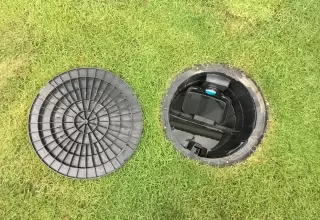
A septic system treats wastewater on your property using a tank and a drainfield (also called a leach field). It’s common in rural areas or places without municipal sewer access.
Bottom line: Your property will “need” whichever option is feasible—and in many areas, availability and local rules make the decision for you.
How to Know Which One Your Property Will Need
Start with availability. Then confirm requirements.
Step 1: Check for municipal sewer access
Ask:
- Is there a sewer main at the road?
- Is there an existing connection point (tap) for the lot?
- Is connection required if sewer is available? (Requirements vary by jurisdiction.)
Step 2: If no sewer, evaluate septic feasibility
A septic system depends on:
- Soil type and drainage characteristics
- Space for a drainfield (and required setbacks)
- Water table and flood risk considerations (Gulf Coast factor)
- Local health department rules and approvals (requirements vary by jurisdiction)
Step 3: Understand inspection and approval steps
Whether you’re connecting to sewer or installing septic, plan for:
- Utility confirmations
- Permits and inspections (often multiple)
- Possible surveys or site evaluations
Again, requirements vary by jurisdiction—your builder can help you navigate what applies.
Mini Table: Comparing Septic and Sewer at a Glance
| Category | Septic System | Municipal Sewer |
|---|---|---|
| Where wastewater goes | Treated on your property | Sent to a public treatment facility |
| Upfront work | Soil/site evaluation + installConnection/tap + possible trenching | Soil/site evaluation + installConnection/tap + possible trenching |
| Ongoing responsibility | Owner maintenance (pumping, care) | Monthly/quarterly utility bill (typical) |
Costs to Plan For (Without Guessing Numbers)
Costs vary widely by location and site conditions, so instead of throwing out unreliable averages, here’s what typically drives cost.
Septic system cost drivers
- Soil conditions and required system type (standard vs alternative)
- Size of home/bedrooms (affects system sizing)
- Site access and excavation complexity
- Drainfield area requirements and setbacks
- Permits, evaluations, and inspections
Municipal sewer cost drivers
- Distance from the home to the connection point
- Tap/impact fees (if applicable)
- Trenching/restoration (driveways, landscaping)
- Plumbing tie-in and required inspections
- Ongoing utility charges
Gulf Coast Considerations That Can Change the Plan
On the Gulf Coast, it’s smart to think about water—before you ever pick a system.
High water table and heavy rain
Some areas deal with saturated soils or seasonal water tables. That can influence septic design, drainfield placement, and elevation requirements. Requirements vary by jurisdiction, and some sites may need engineered solutions.
Flood zones and drainage patterns
If a lot is in or near a flood zone, the approach to wastewater solutions can be different. You’ll want to confirm local guidelines early.
Lot size and layout
Smaller lots can limit septic drainfield options, especially when setbacks, easements, and well locations are involved (if you’re also using a well).
Checklist: Questions to Ask Before You Finalize Your Home Plan
Use this checklist to prevent delays and surprise costs.
- Is municipal sewer available at the road or property line?
- Is sewer connection required if available? (Requirements vary by jurisdiction.)
- If septic: has the property had a soil/site evaluation or prior septic approval?
- Is there enough space for a drainfield with proper setbacks?
- Are there known drainage issues, high water table concerns, or flood considerations?
- What inspections are required for sewer connection or septic installation?
- Who maintains what (homeowner vs utility provider)?
- Are there future expansion plans (adding a bathroom/bedroom) that should be considered now?
Planning Tips for Each Option
If your property will use municipal sewer
- Confirm connection point location early (helps site prep and driveway planning)
- Ask about fees and inspection steps up front
- Plan the home layout with the connection route in mind (trenching path matters)
If your property will use a septic system
- Assume the system location influences the site plan (house placement, driveway, trees)
- Protect drainfield area from heavy equipment once designated
- Learn basic care: what not to flush, how to protect the system, and pumping cadence recommendations from local providers
How Cretin Townsend Homes Helps You Decide (and Plan)
When you build on your land across Louisiana, Mississippi, Florida, or Alabama, the “right” answer is the one that works for your specific lot. Cretin Townsend Homes helps you:
- Confirm whether sewer access is available
- Understand what a septic system may require on your site
- Coordinate planning steps so utilities don’t surprise your timeline
Key Takeaways
- Septic vs sewer usually starts with what your property can access—sewer line availability often decides it.
- Septic systems require on-site space, soil suitability, and ongoing homeowner care.
- Sewer connections can be simpler on-site, but may involve fees, trenching, and inspections.
- Gulf Coast conditions (water table, rainfall, drainage) can influence septic feasibility and design.
- Start early: utility confirmations and inspections can affect your schedule.
FAQ: Septic vs Sewer
1) How do I know if my property has municipal sewer access?
Call the local utility department or ask your builder to confirm if a sewer main is at the road and whether a tap is available.
2) If sewer is available, do I have to connect?
Sometimes. Requirements vary by jurisdiction, so confirm local rules before deciding.
3) What inspections are typically required?
Often there are inspections for connection work (sewer) or installation and final approval (septic). The exact steps vary by jurisdiction.
4) Is a septic system safe and reliable?
Yes—when properly designed, installed, and maintained. Site conditions and correct usage matter.
5) Can Gulf Coast soil and water table affect septic options?
Yes. High water tables and saturated soils can require specific system designs or placement strategies. Requirements vary by jurisdiction.
6) Which option has lower monthly costs?
Municipal sewer often has an ongoing bill. Septic typically doesn’t have a monthly utility bill, but it does have maintenance costs over time.
7) Can I build on a small lot with septic?
Sometimes, but space and setback rules can be limiting. A site evaluation helps determine feasibility.
8) Can I change from septic to sewer later?
If sewer becomes available, it may be possible—subject to local requirements and feasibility. Requirements vary by jurisdiction.