News
Custom Home Budget Breakdown: Where the Money Goes
Learn about custom home budget with tips on construction costs, allowances, and upgrades.

When you’re planning a custom build, it’s easy to focus on the house itself and forget the line items that make the project possible. On the Gulf Coast, details like drainage, soil conditions, flood zones, and utility runs can have a real impact on your budget. This guide breaks down where the money goes so you can plan realistically—and avoid the most common “I didn’t know that was a thing” costs.
The Big Picture: What a Custom Home Budget Usually Includes
A custom home budget typically has four major buckets:
- Construction costs (the house itself: labor + materials)
- Site costs (what it takes to build on your land)
- Allowances (pre-set budgets for selected finishes)
- Upgrades (anything above allowances or outside the base scope)
The key is to plan with a full-project view—not just a base build number.
Helpful internal links as you plan:
Our Process
Floor Plans
Contact Us
Custom Home Budget Line Items: Where the Money Goes (Detailed Breakdown)
1) Construction Costs (House + Labor + Core Materials)
This is the visible part of the budget: the structure and everything that turns it into a livable home.
Common construction cost categories include:
- Foundation system (slab or other designs depending on plans and site)
- Framing, roof system, and exterior finishes
- Windows and exterior doors
- Mechanical systems (HVAC, plumbing, electrical)
- Insulation and drywall
- Interior finishes (trim, paint, flooring, cabinets, counters)
- Basic fixtures and appliances (scope varies by plan and specs)
Gulf Coast note: Wind resistance, moisture management, and durability choices (like upgraded roofing, better flashing details, or improved ventilation strategies) can influence budget—especially if you’re prioritizing storm readiness.
2) Site Costs (Often the Most “Hidden” Part)
Site costs are what it takes to make the land build-ready. This is where budgets can vary wildly from one property to another.
Typical site costs include:
- Clearing, grading, and dirt work
- Drainage solutions (swales, culverts, managing runoff)
- Driveway and access (including turnaround space when needed)
- Utility connections and trenching (power, water, gas, internet)
- Septic system or sewer connection (if applicable)
- Permits/inspections (requirements vary by jurisdiction)
- Elevation requirements in certain areas (if applicable)
Why Gulf Coast sites can be tricky: soil conditions, high water tables, drainage considerations, and flood-zone-related decisions can add scope. Two lots that look “the same” can price very differently once you account for access, utilities, and water management.
3) Allowances (Your “Selections” Budget)
Allowances are set amounts for finishes and fixtures that you choose later. They help you lock in a plan while leaving room for personalization.
Common allowance categories:
- Flooring
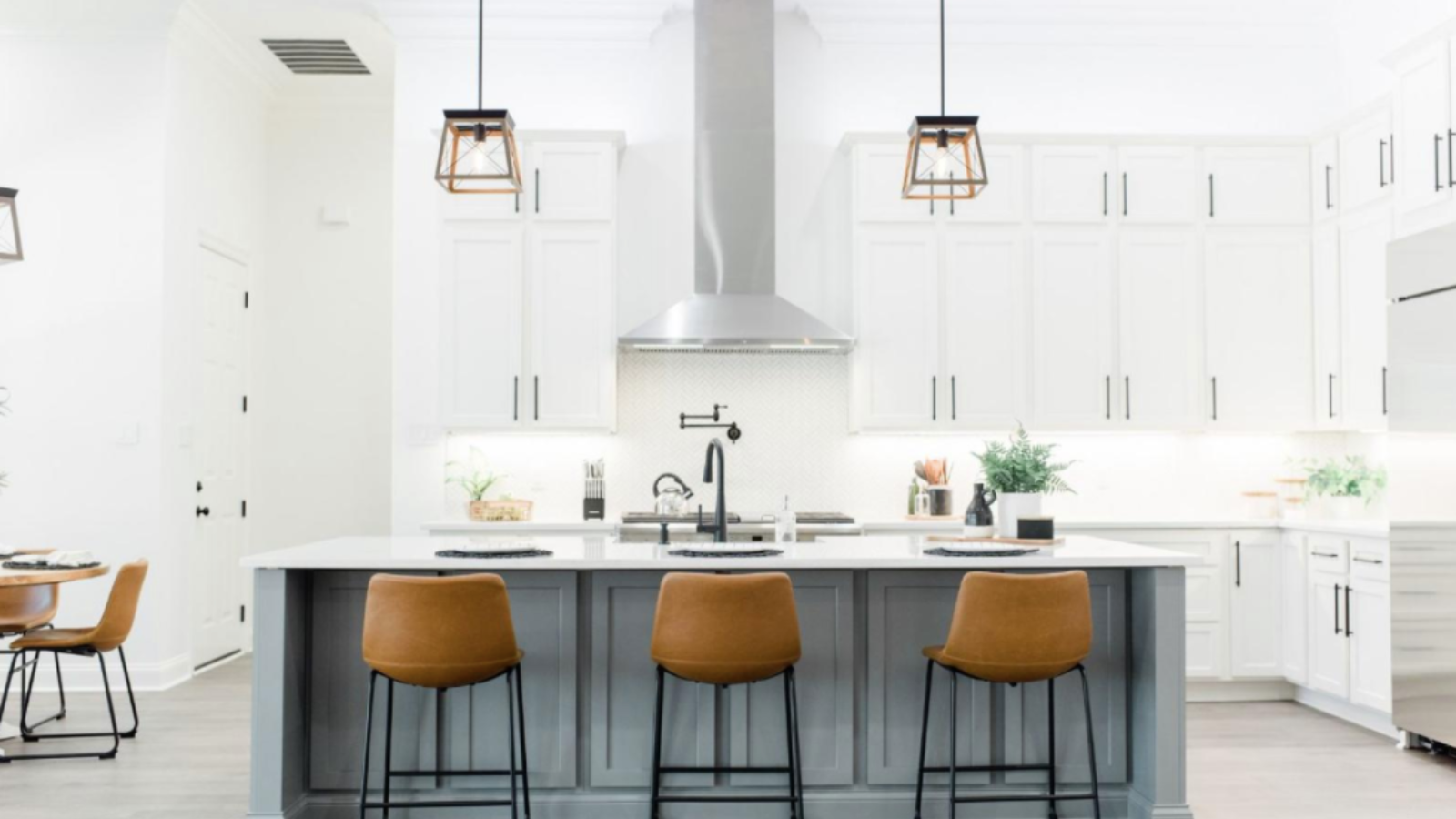
- Cabinets
- Countertops
- Lighting fixtures
- Plumbing fixtures
- Tile and backsplash
- Appliances (sometimes included, sometimes separate)
How to use allowances wisely: pick your must-haves early. If you love premium cabinets, specialty tile, or designer fixtures, you’ll want allowances that match your taste (or plan for upgrades).
4) Upgrades (Where Personalization Often Lives)
Upgrades are anything above the included scope or above the allowance amount.
Common upgrades include:
- Higher-end flooring/cabinet packages
- Premium countertops
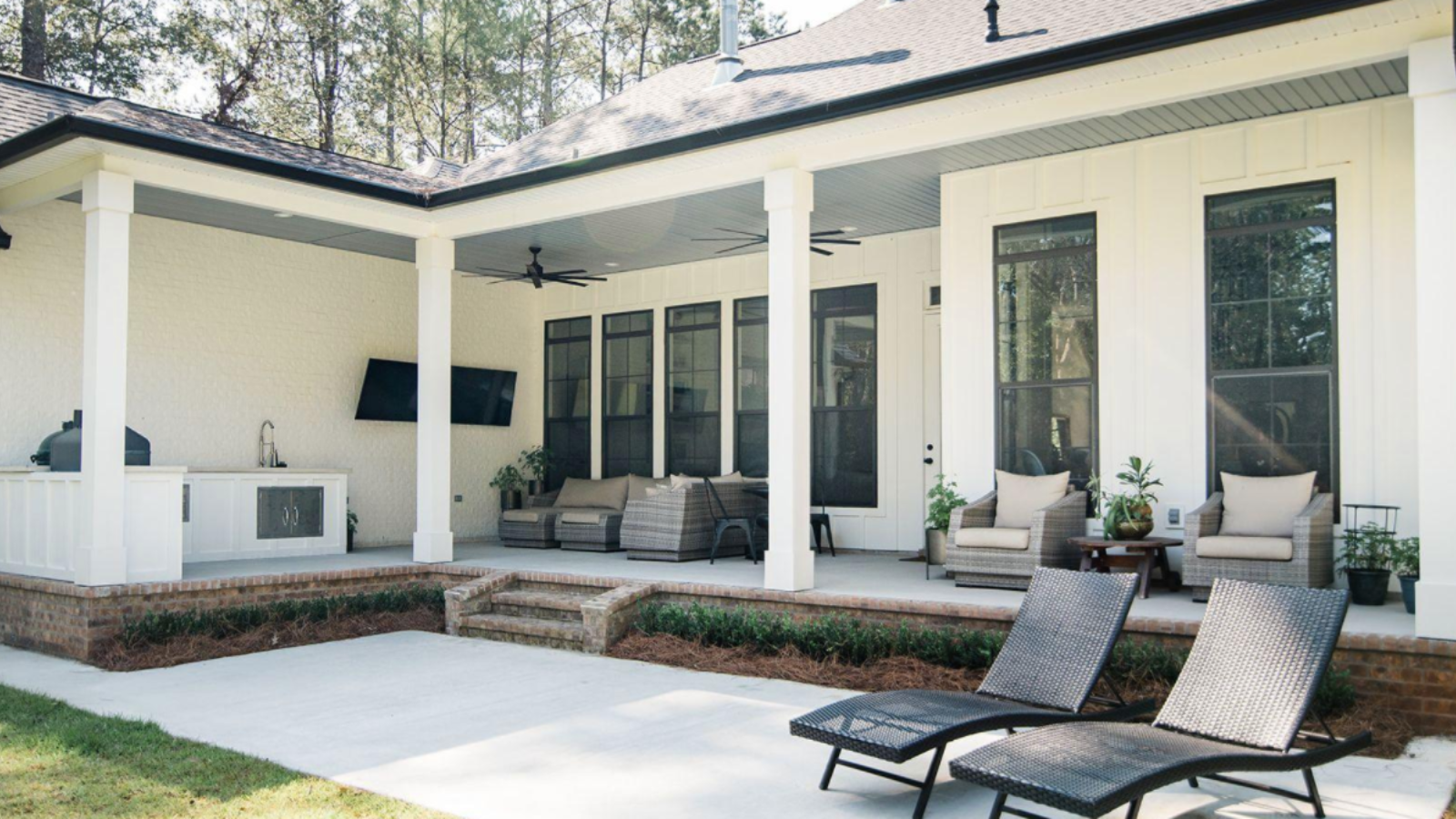
- Expanded outdoor living spaces
- Extra built-ins, trim packages, or specialty ceilings
- Larger showers, freestanding tubs, or upgraded fixtures
- Enhanced lighting plans and added electrical
- Energy-efficiency upgrades and comfort options (varies by design)
Rule of thumb: if you want a “Pinterest kitchen” or a spa bath, plan for it upfront instead of hoping it lands inside base allowances.
Mini Table: Budget Bucket vs. What It Covers
| Budget Bucket | What It Usually Covers | Why It Matters |
|---|---|---|
| Construction Costs | Labor/materials to build the home | Largest portion; drives base price |
| Site Costs | Land prep, utilities, drainage, access | Biggest swing factor lot-to-lot |
| Allowances | Budget for finish selections | Controls how “standard” vs “custom” your interiors feel |
| Upgrades | Anything above scope/allowances | Where preferences change the total |
Checklist: How to Build a Realistic Budget (Before You Break Ground)
Use this checklist to reduce surprises and keep decisions aligned with your number:
- Start with a full-project number (not just base price)
- Identify likely site costs: clearing, grading, utilities, drainage, driveway
- Ask what allowances include—and what they don’t
- Choose 3–5 “must-have” upgrades early (kitchen, bath, outdoor, etc.)
- Keep a contingency line item (often 5–10%)
- Decide what you’ll handle separately (land purchase, furnishings, landscaping, fences, etc.)
- Confirm what varies by jurisdiction (permits/inspections) and keep it high-level
- Re-check selections before ordering to avoid late changes
Gulf Coast Reality Check: 5 Budget Drivers People Underestimate
Drainage and water management
Even if a lot looks flat and dry, runoff has to go somewhere. Planning drainage early helps protect your home and your budget.
Utilities and distance-to-connect
Long utility runs, trenching, or bringing power/water to the site can be a bigger number than people expect.
Access, culverts, and drive requirements
A driveway isn’t always “just gravel and concrete.” Ditches, culverts, and safe access can add scope.
Soil conditions and dirt work
More fill, more compaction, more prep—more cost. This is one reason site evaluation matters.
Selections creep
Small upgrades stack fast: a little here, a little there, and suddenly the allowance is blown. Picking priorities early keeps you in control.
Key Takeaways
- A true custom home budget includes construction costs, allowances, upgrades, and site costs—not just the house number.
- Site costs vary the most from property to property (especially on the Gulf Coast).
- Allowances aren’t “free money”—they’re spending caps for your selections.
- Upgrades are normal in custom builds; plan for them instead of being surprised by them.
- A 5–10% contingency helps you absorb changes without stress.
FAQ: Custom Home Budget Planning
1) What’s included in a custom home budget?
Most budgets include construction costs for the home, plus site costs, allowances for finishes, and any upgrades. Exact inclusions vary by plan and scope.
2) Why do site costs vary so much?
Every property is different—clearing, grading, soil conditions, drainage, and distance to utilities can change the scope significantly.
3) What are allowances in homebuilding?
Allowances are preset amounts for items you’ll select later (like flooring, cabinets, fixtures). If your selections exceed the allowance, that difference becomes an upgrade.
4) How much should I budget for upgrades?
It depends on your preferences. If you want higher-end finishes, expanded outdoor living, or premium fixtures, you should plan for upgrades from day one.
5) Should I include a contingency budget?
Yes. Many homeowners keep a contingency line item (often 5–10%) to handle changes, site conditions, or selection adjustments.
6) Is “price per square foot” a good way to estimate my total?
Not by itself. Price per square foot often doesn’t capture site costs, allowances, and upgrades—three categories that can significantly change the final number.
7) Do permits and inspections affect my budget?
They can. Requirements vary by jurisdiction, so it’s best to plan for permit/inspection-related costs at a high level and confirm details for your specific location.
8) How can I keep my budget from drifting during the build?
Decide your must-haves early, understand allowances, limit late changes, and review selections against the budget before orders are placed.