News
Cost-Saving Upgrades That Actually Pay Off
Learn about cost-effective upgrades with tips on energy efficiency, insulation, and HVAC choices.
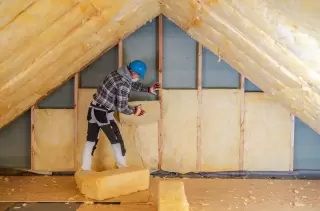
Not all upgrades are created equal. Some look great on day one but don’t move the needle on comfort, durability, or utility bills. On the Gulf Coast—where long cooling seasons, humidity, and storm risk are real—smart upgrades often pay you back through lower energy use, fewer moisture issues, and longer-lasting performance. Below is a practical guide to upgrades worth prioritizing without cutting quality.
Cost-Effective Upgrades That Deliver Real ROI
If you want cost-effective upgrades that truly pay off, focus on two things first:
- Reducing energy loss (air sealing + insulation + windows)
- Improving system performance (HVAC sizing, ducts, ventilation, humidity control)
Cost-Effective Upgrades for Energy Efficiency (Start Here)
1) Air Sealing (High Impact, Often Overlooked)
Air leaks are one of the most common reasons homes feel hot, sticky, drafty, or dusty. Sealing gaps at penetrations, top plates, attic accesses, and around windows/doors can reduce wasted conditioned air.
Why it pays off: Lower HVAC runtime + better comfort + improved humidity control.
2) Better Insulation (Attic + Walls Done Right)
Insulation is a “silent upgrade” that improves comfort every day. On the Gulf Coast, the attic is a major heat load. Upgrading attic insulation levels and ensuring proper installation (no gaps, no compression) is one of the best returns.
Gulf Coast note: Moisture management matters. Your builder should balance insulation choices with ventilation and vapor control strategies appropriate for the region.
3) Duct Sealing and Smart Duct Design
Leaky ducts waste energy and can pull humid air into the system—exactly what you don’t want. Sealed ducts and efficient runs help keep airflow consistent and reduce system strain.
Why it pays off: Better airflow + fewer comfort complaints + improved efficiency.
4) High-Performance Windows (Targeted, Not Always “All or Nothing”)
Upgrading windows can help, but the best value comes from choosing the right performance package (like improved glazing specs) and focusing on heat gain where it matters most—often large exposures and big glass areas.
Simple guideline: Prioritize performance on big openings first, then upgrade the rest as budget allows.
5) Right-Sized HVAC with Humidity Control
Bigger isn’t better. Oversized HVAC can short-cycle and leave humidity behind. A properly sized system, designed for your plan and region, can improve comfort and reduce long-term cost.
Important: Equipment selection and sizing should be based on the home’s design and specs (requirements vary by jurisdiction and project conditions).
Mini Table: Upgrade Cost vs. Payoff (What’s Worth Prioritizing)
| Upgrade | Why It Pays Off | Best For |
|---|---|---|
| Air sealing | Reduces wasted conditioned air | Comfort + lower bills |
| Attic insulation improvement | Cuts heat gain through roof | Gulf Coast cooling seasons |
| Duct sealing | Improves airflow + reduces humidity issues | Comfort + efficiency |
| Right-sized HVAC | Avoids short-cycling; improves humidity control | Long-term performance |
| Window performance package (targeted) | Reduces solar heat gain | Large glass + hot exposures |
Gulf Coast-Smart Upgrades That Protect the Home (Not Just the Bill)
6) Ventilation and Exhaust Fans (Bathrooms, Laundry, Kitchen)
Humidity control isn’t just an HVAC issue—exhaust fans and good ventilation help reduce moisture buildup that can lead to odor, staining, and long-term material problems.
Payoff: Better indoor air quality + fewer moisture headaches.
7) Dehumidification Strategy (When Needed)
In very humid climates, a dedicated approach to dehumidification can improve comfort and protect finishes—especially if the home is tighter (better sealed/insulated).
Note: The “right” solution depends on the plan, usage, and local conditions.
8) Moisture-Resistant Detailing in Key Areas
Not glamorous, but valuable:
- Better flashing details around openings
- Proper drainage plane/water management strategy
- Durable exterior materials for high-exposure sides
Payoff: Fewer repairs and longer life—especially in storm-prone areas.
Checklist: How to Choose Upgrades That Actually Pay Off
Use this quick checklist to avoid wasting money on low-impact add-ons:
- Fund “performance first”: air sealing + insulation before cosmetics
- Ask how each upgrade impacts energy efficiency or durability (not just looks)
- Prioritize attic + ducts in hot/humid climates
- Choose a right-sized HVAC strategy (not oversized)
- Upgrade windows strategically (big glass/high sun exposure first)
- Confirm ventilation and humidity control plan
- Keep maintenance in mind (filters, access, serviceability)
- Leave room in budget for the “unseen” items that protect the home
What to Skip (or Delay) If You’re Tight on Budget
If you’re prioritizing truly cost-effective upgrades, these are often better delayed:
- Ultra-premium decorative lighting packages
- Luxury tile everywhere (target key areas instead)
- High-end countertops in every bath (upgrade the primary, standard elsewhere)
- Specialty ceiling details in every room (feature one or two spaces)
- Trend-driven features that don’t improve performance
This doesn’t mean “no upgrades”—it means spending where you’ll feel it every month.
Key Takeaways
- The best upgrades start with the home’s envelope: air sealing and insulation deliver consistent ROI.
- On the Gulf Coast, humidity control is part of comfort—HVAC sizing and ventilation matter.
- Duct sealing and smart duct design often pay off more than homeowners expect.
- Window upgrades are valuable when chosen strategically (especially for large glass areas).
- If you must cut something, cut “cosmetic-first” upgrades and protect performance.
FAQ: Cost-Saving Upgrades That Actually Pay Off
1) What are the most cost-effective upgrades in a new custom home?
Air sealing, insulation improvements, duct sealing, and a right-sized HVAC plan typically deliver the strongest real-world returns.
2) Should I upgrade insulation or windows first?
In many cases, insulation and air sealing come first because they reduce energy loss across the whole home. Windows can be upgraded strategically based on exposure and glass size.
3) Is a bigger HVAC system more efficient?
Not necessarily. Oversized systems can short-cycle and struggle with humidity. Proper sizing is usually better for comfort and efficiency.
4) Do energy-efficient upgrades increase resale value?
They can, especially when they improve comfort and monthly costs. Resale impact varies by market and buyer preferences.
5) What matters most for Gulf Coast comfort?
Humidity control, a tight building envelope, good insulation, and well-designed HVAC/ductwork. Together, these reduce “sticky” indoor air and high bills.
6) Are dehumidifiers worth it in a new home?
Sometimes. It depends on the home’s tightness, usage, and local conditions. A builder can recommend options that fit your specific plan.
7) Do I need special upgrades for storm resistance?
Some durability-focused choices can help, but requirements vary by jurisdiction. Keep decisions high-level and confirm what applies to your location and goals.
8) How do I decide between upgrades and allowances?
Spend on upgrades that improve performance (energy efficiency, insulation, HVAC, windows) before upgrading purely aesthetic selections.