News
What Are Builder Allowances (And How to Use Them)?
Learn about builder allowances with tips on finish budget, selections, and upgrade costs.
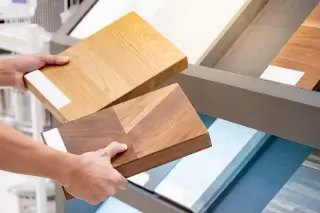
Builder allowances are one of the most common “confusing” parts of building a custom home—and they’re also one of the most useful. In plain terms, allowances help you lock in a base price while giving you flexibility to make finish selections later. On the Gulf Coast, your choices can also affect long-term performance (humidity, salt air, heavy rain), so it pays to understand what your allowances actually cover.
Builder Allowances Explained (Simple Definition)
A builder allowance is a budget line item included in your home’s price for a specific category of materials or finishes you’ll select later. Instead of guessing every exact product on day one, allowances let you choose from options that fit a planned price range.
Common allowance categories include:
- Flooring (LVP, tile, carpet)
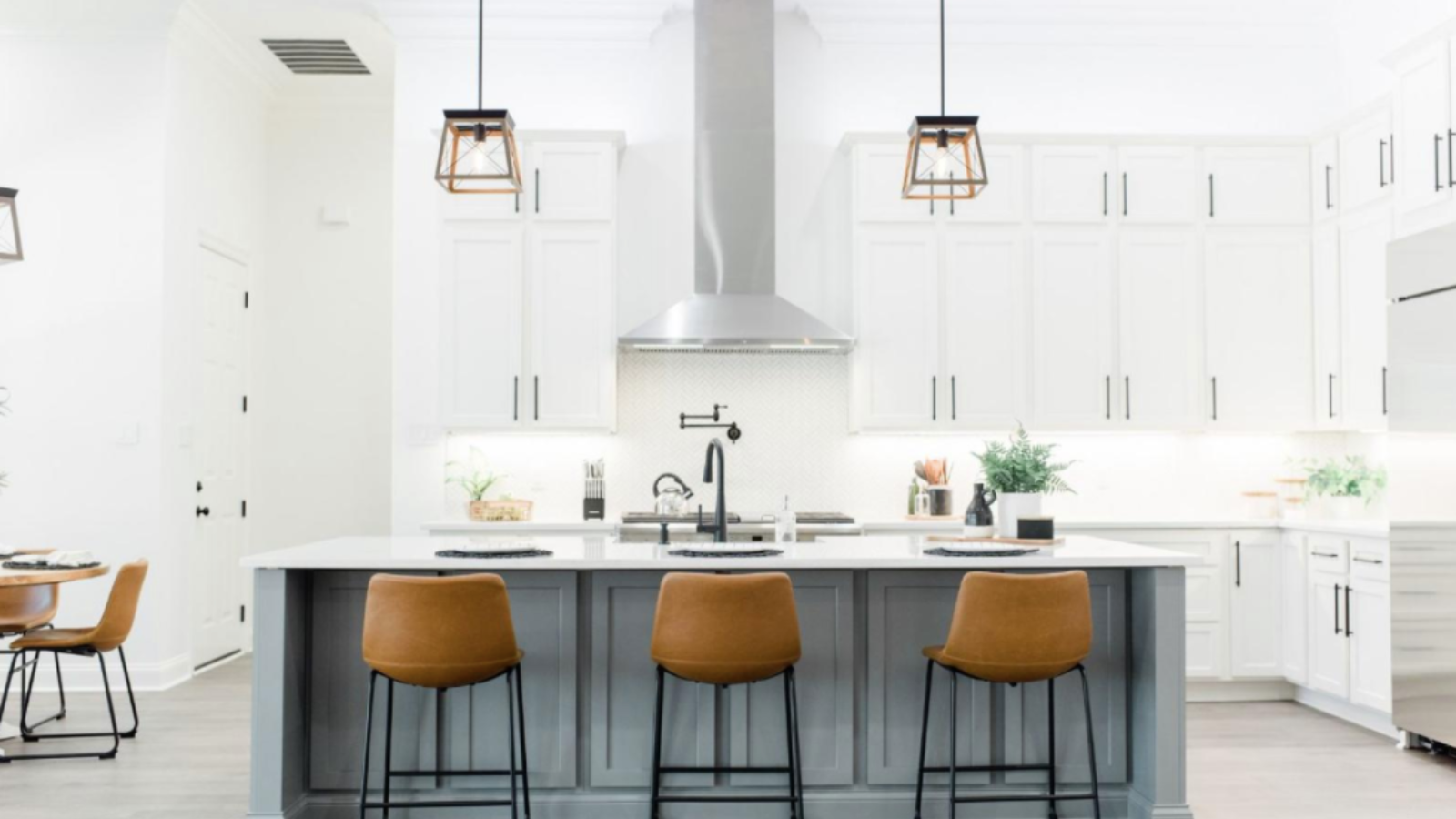
- Cabinets and countertops
- Plumbing fixtures (faucets, sinks)
- Lighting fixtures
- Hardware and mirrors
- Tile for showers/backsplashes
- Appliances (sometimes)
Allowances are not “free upgrades.” They’re a planning tool to keep pricing realistic while you finalize selections.
Why Builders Use Allowances
Allowances help keep your project moving while keeping pricing organized.
They’re used to:
- Provide a clear starting price without delaying design decisions
- Keep your selections aligned with your overall finish budget
- Reduce surprises by separating base construction pricing from upgrade choices
- Help lenders and buyers understand how the total price is built
Good to know: Allowances typically cover material costs for certain items, and whether labor, delivery, or installation is included depends on the category and contract. If anything is unclear, ask your builder to spell out what’s included—requirements and practices can vary.
How Allowances Impact the Total Price
Allowances directly affect your bottom line because your final selections may cost more (or less) than the budgeted amount.
The simple math
- If your selection costs more than the allowance: you pay the upgrade cost (difference).
- If your selection costs less than the allowance: you may get a credit or savings—contract terms vary.
Mini Table: Allowance vs. Selection Outcome
| Category | Allowance Amount | If You Select… | What Happens |
|---|---|---|---|
| Flooring | $X | Higher-priced product | You pay the difference (upgrade cost) |
| Lighting | $X | Lower-priced fixtures | Potential credit/savings (per contract) |
| Plumbing fixtures | $X | Mixed (some up, some down) | Net change depends on totals |
Allowances vs. Upgrades vs. “Included Features”
These three get lumped together, but they’re not the same.
- Included features: Items that are specified and included at a defined level (no allowance needed).
- Allowance items: You choose later within a set budget.
- Upgrades: Anything that costs more than what’s included or more than your allowance.
What Affects How High or Low an Allowance Is?
Allowance amounts aren’t random. They’re typically based on:
- The size of your home and scope of finishes
- The builder’s standard pricing tiers
- Current material market conditions
- Your design goals (modern, luxury, coastal, etc.)
- The selection sources (design center vs. retail vs. custom suppliers)
Gulf Coast note: durability matters
In LA, MS, FL, and AL, homeowners often prioritize finishes that handle:
- Humidity and moisture
- Mud/sand tracked in from outdoors
- Salt air in coastal areas
- Heavy rain seasons and higher cleaning needs
That can influence choices like flooring type, paint sheen, fixture finishes, and exterior hardware.
Checklist: How to Use Builder Allowances the Smart Way
Use this checklist before you finalize your contract or loan numbers:
- Ask for an itemized allowance list (by category + dollar amount)
- Confirm what’s included (material only? delivery? installation?)
- Get example product price points that “fit” each allowance
- Identify your top 3 finish priorities (where you’ll spend more)
- Decide where you can stay standard to protect the finish budget
- Make early selections for high-impact categories (flooring, cabinets, counters)
- Track upgrade costs in writing as selections are made
- Keep a small contingency for upgrades you’ll care about later
Practical Tips to Avoid Surprise Upgrade Costs
1) Decide your “must-haves” early
If you know you want premium countertops or a specific tile style, plan for it up front. The earlier you align expectations, the fewer surprises you’ll face.
2) Watch the “small stuff” categories
Lighting, plumbing fixtures, and hardware can add up fast—even small per-item increases multiply across a whole house.
3) Ask for an “upgrade delta” list
A simple list of common upgrades and typical cost differences helps you plan. (Exact pricing varies by supplier, availability, and scope.)
4) Keep selections consistent
Mixing ultra-premium in one area and budget in another can create an uneven look. Your builder can help you balance the whole-home finish plan.
Key Takeaways
- Builder allowances are preset budgets that let you choose finishes later without stalling the build.
- Your final total changes based on what you select—overages become upgrade costs.
- Always confirm what each allowance includes (materials, labor, delivery) because details can vary.
- On the Gulf Coast, durability and moisture resistance can influence which selections make sense.
- The best results come from aligning your allowance schedule with your real finish preferences early.
FAQ: Builder Allowances
1) What are builder allowances, exactly?
They’re budget amounts in your contract for finish categories you’ll select later (flooring, cabinets, lighting, etc.).
2) Do allowances include labor and installation?
Sometimes. It depends on the category and contract. Ask for a breakdown so you know what’s included.
3) What happens if I go over an allowance?
You typically pay the difference as an upgrade cost. Your builder should document this as selections are finalized.
4) What happens if I come in under an allowance?
You may receive a credit or savings—how that’s handled depends on your contract terms.
5) Are allowances the same as “standard features”?
No. Standard features are included at a defined level. Allowances are flexible budgets for items chosen later.
6) Can allowances change during the build?
They can if the scope changes or you revise selections. Any changes should be documented in writing.
7) How do I know if my allowances are realistic?
Ask to see example products that fit each allowance and compare them to what you actually want. If there’s a mismatch, adjust early.
8) Why do allowances matter for financing?
Lenders want clarity on total project cost. Allowances help define the base price while showing where selections could change the final number.