News
How to Plan for Site Costs When Building on Your Land
Learn about site costs for building a house with tips on clearing, grading, and utilities.
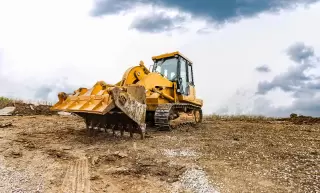
When you build on your own land, the home price is only part of the budget—the site has to be made build-ready. In Louisiana, Mississippi, Florida, and Alabama, site work often includes extra planning for drainage, seasonal rainfall, and soil conditions common along the Gulf Coast. The goal of this guide is simple: help you estimate site costs up front, so you can avoid surprises once construction starts.
What “Site Costs” Usually Include (and Why They Vary)
Site costs are the expenses required to prepare your land and connect the home to services. They vary because every property has different:
- Topography (flat vs. sloped, low vs. high elevation)
- Soil and water conditions (soft soils, high water table, clay/sand mix)
- Access (driveway length, culverts/ditches, turnaround space)
- Distance to utilities (near the road vs. deep rural tract)
- Local requirements (zoning, setbacks, stormwater rules—requirements vary by jurisdiction)
Common line items you should expect
- Clearing & grubbing (trees, brush, debris removal)
- Grading & drainage (cut/fill, shaping the pad, swales, managing runoff)
- Soils/foundation prep (compaction, fill dirt, possible soil stabilization)
- Driveway & access (base rock, culvert pipe, apron, turnaround)
- Utilities (power, water, sewer/septic, gas, internet)
- Permits/fees & inspections (varies by jurisdiction)
- Temporary construction utilities (temporary power pole, temp water if needed)
The Biggest Drivers of Site Costs for Building a House (LA/MS/FL/AL)
Here’s what typically moves the budget the most in Gulf Coast markets:
Clearing (trees, brush, and disposal)
- Heavily wooded lots cost more due to equipment time and hauling/disposal.
- Large stumps and root systems can add significant labor.
Grading and drainage (often the “make or break” item)
On the Gulf Coast, managing water is everything. You may need:
- Fill dirt to raise the pad elevation
- Swales or drainage shaping to direct runoff
- Erosion control measures during construction
Utilities (distance = dollars)
Utility costs climb when:
- Your build site is far from the road
- A new well is needed
- A septic system is required (or an engineered system, depending on conditions)
- Power requires longer trenching runs or special equipment
Driveway and access (ditches, culverts, and rock)
Even a “simple driveway” can grow if you need:
- A culvert across a roadside ditch
- A stabilized base for soft/wet soils
- Extra rock for construction traffic
- Turnaround space for deliveries
Mini Table: Site Cost Categories and What to Ask
| Site Cost Category | What It Covers | Questions to Ask Early |
|---|---|---|
| Clearing | Tree/brush removal, debris hauling | How wooded is the lot? Any protected trees? |
| Grading/Drainage | Pad elevation, shaping, runoff control | Will we need fill dirt? Where does water go? |
| Utilities | Power/water/sewer-septic/gas/internet | How far are tie-ins? Is septic needed? |
Step-by-Step: How to Budget Site Work Up Front
1) Start with a realistic site review (before finalizing plans)
A quick early assessment should look at:
- Access from the road (ditches, culverts, slope)
- High/low spots and drainage paths
- Where the house can sit (setbacks/easements—requirements vary)
- Likely utility routes to the home
2) Separate “must-haves” from “nice-to-haves”
Must-haves are items you can’t build without (pad, drainage, driveway access, utilities). Nice-to-haves might include extended driveways, extra parking pads, landscaping, fencing, or upgraded drainage features.
3) Plan a contingency line (because the ground tells the truth)
Even with good planning, you’ll want a cushion for:
- Unexpected wet areas
- Extra fill/rock needs
- Utility route changes
- Additional drainage measures
A contingency helps you make decisions calmly instead of reacting under pressure.
4) Confirm utilities early (and don’t assume they’re “close enough”)
Ask for approximate distances and connection requirements. If something is uncertain, budget conservatively until verified.
Site Work Budget Checklist (Bring This to Your Builder)
Use this checklist to avoid missing line items when estimating site costs:
Pre-site checklist
- Survey or reliable property boundaries available
- Planned home placement identified (consider setbacks/easements—requirements vary)
- Access checked: road type, ditch lines, culvert needs, turnaround space
- Clearing scope defined: trees/brush, disposal plan
- Grading approach discussed: cut/fill, pad elevation, drainage direction
- Soil/compaction considerations reviewed (high-level)
- Driveway scope defined: length, base material, apron/culvert needs
- Utilities confirmed: power, water, sewer/septic, gas, internet routes
- Temporary utilities planned (temporary power/water if needed)
- Permit/inspection items identified (requirements vary by jurisdiction)
- Contingency line included in budget
Practical Tips to Keep Site Costs Predictable
Avoid “designing blind”
Finalize the general site plan (placement, access, utilities) before locking big decisions that depend on the land.
Make access a priority
A stable driveway base and good access reduce delays, especially in rainy seasons.
Treat drainage as part of the foundation plan
Water management protects the home long-term and prevents costly rework later.
Ask for itemized site scopes
Itemization helps you compare options (for example: more rock now vs. dealing with ruts and delivery issues later).
Helpful Next Steps
Our Process | Floor Plans | Contact Us
Key Takeaways
- Site costs for building a house typically include clearing, grading/drainage, driveway/access, and utilities.
- Gulf Coast land conditions often make drainage and soil prep major budget drivers.
- Utility distance matters—verify how far power/water/sewer-septic routes will run.
- Include a contingency line because site conditions can change once work begins.
- Get an early site review so your numbers are based on the property—not assumptions.
FAQ: Site Costs When Building on Your Land
1) What are the most common site costs for building a house?
Clearing, grading/drainage, driveway/access (including culverts), and utility connections are the most common categories.
2) How do I know if I need a culvert for my driveway?
If there’s a roadside ditch or drainage path where your driveway crosses, a culvert may be required. Requirements vary by jurisdiction and road authority.
3) Are utilities included in a typical home price?
Often, the home price covers the structure and standard build scope, but utility connections and long runs can be separate. Always confirm what’s included.
4) What makes grading more expensive on the Gulf Coast?
High water tables, soft soils, and heavy rainfall can increase the need for fill dirt, drainage shaping, and stabilization measures.
5) Do I need a septic system or sewer connection?
It depends on what’s available at your site. If municipal sewer isn’t accessible, a septic system may be needed. Specific rules and approvals vary by jurisdiction.
6) Should I budget for temporary utilities during construction?
Yes—many builds require temporary power (and sometimes temporary water) for construction activities.
7) Can I reduce site costs by clearing the lot myself?
Sometimes, but it can also create issues if stumps, grading, or disposal aren’t handled properly. It’s best to coordinate with your builder so the site is prepared to spec.
8) When should I start planning site work in the build timeline?
As early as possible—ideally before finalizing plans and financing—so you’re not surprised by access, drainage, or utility realities.