News
Best Times of Year to Start Building on the Gulf Coast
Learn about when to start building a house with tips on construction seasons, rain patterns, and scheduling.
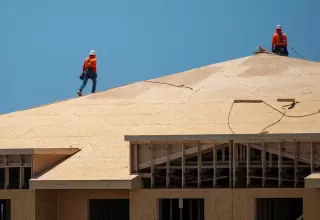
Starting a home build on the Gulf Coast isn’t just about picking a date on the calendar—it’s about planning around humidity, rain patterns, and hurricane season while keeping your financing and selections moving on time. This guide breaks down construction seasons in LA/MS/FL/AL in a practical way so you can choose a start window that fits your land, timeline, and risk tolerance.
Why timing matters on the Gulf Coast
On the Gulf Coast, weather impacts a few key parts of the build more than most people expect:
- Site work & dirt work: Clearing, grading, and driveway access can slow down in wet conditions.
- Foundation & concrete timing: Rain and saturated soil can affect scheduling and inspections.
- Framing & dry-in: The goal is to get the home “dried in” (roof + windows/doors installed) before long stretches of wind-driven rain.
- Mechanical + finishes: Humidity matters for materials like drywall, paint, wood trim, flooring, and cabinetry installation.
When to start building a house: the best seasons for Gulf Coast scheduling
Late winter through spring (often the sweet spot)
For many Gulf Coast builds, late winter into spring offers a strong balance of workable site conditions and fewer extreme-weather interruptions.
Why it can be ideal:
- Ground often has time to drain between systems
- Temperatures are generally more comfortable for crews and materials
- You can often reach framing/dry-in before the most active part of storm season
Watch-outs:
- “Spring showers” can still create short delays
- High demand can fill builder schedules quickly (plan ahead)
Summer (fast progress or frequent pauses)
Summer can move quickly—long days, strong crew availability—but it can also be the most stop-and-go because of afternoon storms and extreme humidity.
Pros:
- Long daylight hours can help production
- Certain phases (like framing) can move quickly when weather cooperates
Cons (Gulf Coast reality):
- Daily rain patterns can pause site work and concrete scheduling
- Humidity can impact drying times for paint, drywall finishing, and some flooring installs
- Hurricane season overlaps heavily (planning and flexibility matter)
Early fall (a strong second choice with smart planning)
Early fall can be a great time to start—especially if you’re aiming to avoid peak summer humidity and you plan around storm risk.
Why it works:
- Temperatures begin to ease
- Some rain patterns can calm down
- Builder schedules may open up after summer rush
Big caution: hurricane season is still in play. A good plan includes:
- storm-ready site management
- schedule buffer
- material lead-time planning (roofing, windows, garage doors, HVAC equipment)
Late fall through early winter (good for planning + starting, depending on conditions)
This can be a good time for pre-construction work (plans, pricing, selections, financing), and it can also be a workable start window in many areas.
Pros:
- Often easier to book design appointments and trades
- Cooler temperatures can be easier on some materials and labor
Cons:
- Shorter days can affect pace
- Some regions see heavier rain stretches in winter
- Holiday schedules can slow approvals, suppliers, and specialty trades
Mini table: Season-by-season planning snapshot
| Season | What it’s best for | Main Gulf Coast risks |
|---|---|---|
| Late Winter–Spring | Strong start window; steady progress; aiming to dry-in before peak storms | Periodic heavy rain, high demand schedules |
| Summer | Fast framing potential; long workdays | Daily storms, extreme humidity, hurricane season overlap |
| Early Fall | Great second option; cooler temps | Late-season hurricanes, wind-driven rain, lead times |
| Late Fall–Early Winter | Pre-construction + start window in many areas | Short days, holiday slowdowns, wet stretches |
The “dry-in” strategy: a simple rule of thumb
One practical way to pick your start window is to plan backward from your goal:
Goal: get the home dried in (roof + windows/doors) before the most disruptive weather window for your area.
That doesn’t mean you can’t build during storm season—you absolutely can—but your schedule should include:
- buffer days
- storm-protection steps on site
- flexible sequencing (what can be done before/after a weather event)
What matters more than the month on the calendar
1) Your land readiness
Even the “best” season can be slowed if the site isn’t ready. Examples:
- access/driveway entry needs work
- drainage or culvert planning is incomplete
- utilities aren’t available yet
- survey or soil considerations aren’t resolved
If you’re building on your own land, site readiness often matters more than the season.
2) Permits, approvals, and jurisdiction timing
Permitting and inspection timelines vary by jurisdiction (city/parish/county). Timeframes can change due to staffing, storm impacts, and seasonal volume.
3) Lead times for materials
Some items can affect schedule more than weather:
- windows and exterior doors
- garage doors
- cabinets and specialty finishes
- HVAC equipment and electrical gear
Starting at a “perfect” time won’t help if key materials arrive late—so planning and ordering matters.
Checklist: How to choose your best start window (Gulf Coast edition)
Use this to decide the best time for your build:
- Land access confirmed: driveway entry, turn-around space, and equipment access planned
- Drainage plan discussed: water flow, swales/ditches, and runoff direction
- Utilities identified: power, water, septic/sewer, and any required approvals
- Survey/lot info ready: property lines and buildable area confirmed
- Storm plan discussed: how the site will be secured if weather hits
- Selections timeline set: finishes chosen early enough to order long-lead items
- Financing plan aligned: construction loan timeline, draw schedule, and contingency funds
- Schedule buffer included: weather days + inspection flexibility
Scheduling tips that save money (and stress)
Build in “weather days” on purpose
On the Gulf Coast, weather delays aren’t a surprise—they’re part of responsible scheduling. A plan with buffer time is usually cheaper than rushing, resequencing trades, or redoing work.
Start pre-construction earlier than you think
Even if you want to “start building” in spring, the best move is often to start:
- plans + pricing
- financing steps
- selections and ordering in winter, so you’re ready to break ground when conditions align.
Prioritize early decisions that prevent downtime
The fastest builds are the ones where the team isn’t waiting on:
- final plan approvals
- change decisions
- backordered materials
Our Process | Floor Plans | Contact Us
Key Takeaways
- Late winter through spring is often the most predictable window for when to start building a house on the Gulf Coast.
- Summer can move fast, but daily storms and humidity can add delays—plan buffer time.
- Early fall is a strong option if you plan for late-season storms and material lead times.
- Getting the home dried in at the right point in the calendar can reduce weather risk.
- Site readiness, permits (which vary by jurisdiction), and material lead times often matter more than the month.
FAQ: Best times of year to start building on the Gulf Coast
1) What is the best month to start building a house on the Gulf Coast?
Often late winter through spring is ideal, but the best month depends on land readiness, approvals, and lead times.
2) Should I avoid starting during hurricane season?
You don’t have to avoid it, but you should plan for it: storm-ready site steps, schedule buffer, and flexible sequencing.
3) Does rain delay construction a lot?
It can—especially during site work, concrete pours, and exterior phases. Short delays are common; smart schedules include weather days.
4) Is summer a bad time to build in Louisiana, Mississippi, Florida, or Alabama?
Not necessarily. Summer can be productive, but expect humidity + daily storms and plan for potential interruptions.
5) What should I do first if I want to start building in spring?
Start pre-construction earlier: finalize plans, confirm utilities, begin selections, and order long-lead materials so you can break ground on time.
6) How far in advance should I schedule a builder on the Gulf Coast?
It varies by builder and season. Spring can book quickly, so reaching out early helps secure your preferred start window.
7) Will permits slow down my start date?
They can. Requirements vary by jurisdiction, and timelines may shift due to seasonal volume or storm impacts.
8) What’s the single most important timing goal during a Gulf Coast build?
A common goal is reaching dry-in (roof + windows/doors) at the right time to reduce exposure to prolonged wind-driven rain.